
10 Best Excursions from Sissi, Crete: The Local Guide to Unforgettable Days Out
12/07/2026
Why Food Tastes So Fresh in Sissi: From Local Fields to the Taverna Table
12/07/2026
Introduction
Crete is an island of ancient palaces, dramatic mountains, traditional villages and coastlines that seem to change around every corner. Let’s explore Crete by the numbers.
But there is another fascinating way to understand Greece’s largest island: through its numbers.
How large is Crete? How far does it stretch from east to west? What is its highest mountain? How long is the walk through Samaria Gorge? And how many centuries of history are hidden beneath its modern towns and villages?
Some of the answers are impressive. Others reveal just how varied and historically significant the island truly is.
Whether you are planning your first holiday, returning to explore more or simply curious about Crete, these facts and figures offer a different way to discover the island.
Let’s explore Crete—one number at a time.
1. Geography
Crete’s geography helps explain almost everything about the island: its climate, its agriculture, its traditional villages and the remarkable variety of landscapes visitors can experience during a single holiday.
From high mountain ranges and fertile plateaus to deep gorges and more than a thousand kilometres of coastline, Crete is far more geographically diverse than many first-time visitors expect.
8,336 km²
Crete covers approximately 8,336 square kilometres, making it the largest island in Greece.
5th
Crete is the fifth-largest island in the Mediterranean, after Sicily, Sardinia, Cyprus and Corsica. It is also the largest and most populous of the Greek islands.
Around 260 km
From west to east, Crete stretches for approximately 260 kilometres.
That long, narrow shape helps explain why travelling across the island can reveal such different scenery, architecture and local traditions.
From 12 to 60 km wide
Crete measures approximately 60 kilometres at its widest point, while near Ierapetra it narrows to around 12 kilometres from north to south.
Around 1,046 km of coastline
Crete has approximately 1,046 kilometres of coastline, including long sandy beaches, rocky shores, sheltered bays and remote coves.
2,456 metres
Psiloritis, also known as Mount Ida, is the highest mountain in Crete. Its summit reaches 2,456 metres above sea level.
3 major mountain systems
Three great mountain systems dominate the island:
- the White Mountains in western Crete,
- Psiloritis in central Crete,
- and the Dikti Mountains in the east.
Together, they shape the island’s climate, water systems, wildlife and settlement patterns.
Around 16 km
The complete walking route through Samaria Gorge, including the section from the southern exit to Agia Roumeli, is approximately 16 kilometres.
The main path inside the gorge itself measures around 13 kilometres, followed by another 3 kilometres to the coastal village.
1,200 metres
The northern entrance to Samaria Gorge begins at approximately 1,200 metres above sea level, before descending towards Agia Roumeli on Crete’s southern coast.
Around 850 metres
The Lasithi Plateau lies at an altitude of roughly 800 to 850 metres, surrounded by the Dikti Mountains.
Its elevation gives the plateau cooler temperatures than the coast and helps create one of Eastern Crete’s most distinctive agricultural landscapes.
4 regional units
The Region of Crete is divided into four regional units:
- Chania
- Rethymno
- Heraklion
- Lasithi
Each has its own landscapes, cities, historical sites and local traditions.
Two very different shores
Crete’s northern and southern coastlines often feel like different worlds.
The north is home to the island’s largest cities, ports and many of its main resorts. The south, facing the Libyan Sea, is generally more rugged, sparsely developed and marked by smaller villages, dramatic mountains and isolated beaches.
Local Insight
Many first-time visitors imagine Crete as a relatively small beach island.
Only after travelling across it do they understand its true scale.
A journey from Sissi to Chania, the Lasithi Plateau or the southern coast can involve mountain roads, fertile plains, historic towns and completely different coastal scenery—all on the same island.
That geographical variety is one of the main reasons Crete rarely feels repetitive, even to visitors who return year after year.
Τέλεια. Πάμε στην αναθεωρημένη δεύτερη ενότητα.
Εδώ έκανα δύο σημαντικές αλλαγές:
- Δεν χρησιμοποιώ αβέβαιες χρονολογίες όταν δεν χρειάζεται.
- Δίνω περισσότερο ιστορικό πλαίσιο αντί για απλή παράθεση ημερομηνιών.
2. History & Archaeology
Few places in Europe can match the depth and continuity of Crete’s history.
For thousands of years, the island has been home to remarkable civilizations, powerful kingdoms, Venetian fortresses, Byzantine churches and traditional villages that continue to thrive today.
From the legendary Minoans to modern Greece, every era has left its mark on Crete.
Here are some of the numbers behind that extraordinary journey through time.
Around 7000 BC
Archaeological evidence suggests that the first permanent farming communities appeared on Crete around 7000 BC, making it one of the earliest continuously inhabited places in Europe.
More than 9,000 years
People have lived continuously on Crete for over 9,000 years, creating one of the longest uninterrupted histories of any Mediterranean island.
Around 3000 BC
The Minoan Civilization emerged during the Early Bronze Age, eventually becoming Europe’s first advanced civilisation.
Its influence spread throughout the Aegean and Eastern Mediterranean.
Around 1900 BC
The first great Minoan palaces—including Knossos, Phaistos, Malia and Zakros—were constructed around 1900 BC, marking the beginning of one of Europe’s most remarkable civilizations.
Four major Minoan palaces
Archaeologists recognise Knossos, Phaistos, Malia and Zakros as the four principal palace centres of Minoan Crete.
Each offers visitors a different glimpse into Bronze Age life.
Around 1450 BC
Most of the major Minoan palaces suffered widespread destruction around 1450 BC.
The exact causes remain the subject of ongoing archaeological research and debate.
More than 3,500 years
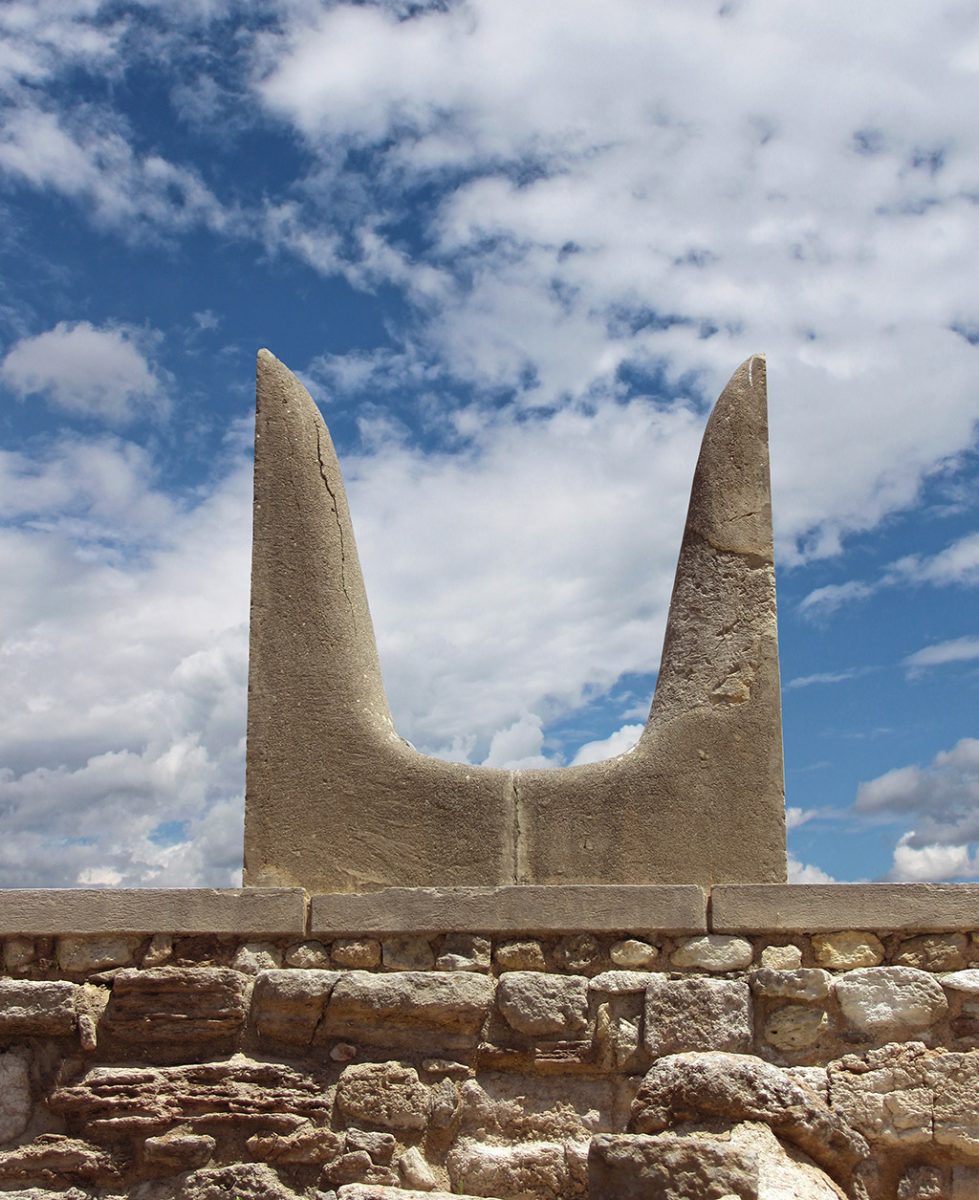
Many of the impressive stone walls visitors admire at Knossos Palace today were first built over 3,500 years ago.
Walking through the site is like stepping back into Europe’s earliest great civilisation.
1579
Construction of the mighty Venetian fortress of Spinalonga began in 1579, helping Venice protect the strategically important entrance to Mirabello Bay.
1715
After more than a century under Venetian control, Spinalonga passed to the Ottoman Empire in 1715.
Its strategic importance continued long after the rest of Crete had changed hands.
1903–1957
For 54 years, Spinalonga served as Greece’s official leprosy settlement.
Today, it stands as one of the country’s most moving historical sites and welcomes visitors from around the world.
More than 460 years
Venice ruled much of Crete for over four and a half centuries (1205–1669).
Its legacy can still be seen in the island’s magnificent harbours, fortifications, fountains and historic buildings.
1645–1669
The Cretan War between Venice and the Ottoman Empire lasted 24 years, making it one of the longest wars of the seventeenth century.
1913
Following centuries of foreign rule, Crete officially became part of the modern Greek state in 1913.
For many Cretans, this remains one of the defining moments in the island’s modern history.
Thousands of archaeological sites
From prehistoric settlements and Minoan palaces to Roman cities, Byzantine monasteries and Venetian castles, archaeologists have identified thousands of historical and archaeological sites across Crete.
Few Mediterranean islands preserve such an extraordinary concentration of cultural heritage.
History around every corner
One of the most remarkable things about travelling in Crete is that history isn’t confined to museums.
A short drive can take you from a Bronze Age palace to a Venetian harbour, a Byzantine monastery and a traditional village where centuries-old customs continue to shape everyday life.
Local Insight
Visitors often arrive expecting to see one or two famous archaeological sites.
They leave surprised by how naturally history blends into everyday life.
Venetian walls protect modern towns.
Ancient olive trees still produce fruit.
Village churches continue traditions that began centuries ago.
In Crete, history is not simply preserved.
It is still lived.
3. Nature & Wildlife
Crete is often celebrated for its beaches and ancient history, but its natural world is equally extraordinary.
Within a single day, you can walk through one of Europe’s longest gorges, climb snow-capped mountains, discover rare wildflowers, relax beneath native palm trees and swim in crystal-clear Mediterranean waters.
The island’s isolation over millions of years has allowed unique plants and animals to evolve, making Crete one of the Mediterranean’s most important biodiversity hotspots.
Here are some remarkable numbers behind the island’s natural heritage.
More than 1,800 plant species
Crete is home to more than 1,800 species of wild plants, an extraordinary number for an island of its size.
This exceptional botanical diversity attracts researchers and nature enthusiasts from around the world.
Around 180 endemic plants
Approximately 180 plant species grow naturally nowhere else on Earth except Crete.
The island’s mountains, gorges and isolated valleys have created ideal conditions for these unique species to evolve.
Around 35 million olive trees
An estimated 35 million olive trees cover the Cretan landscape.
Together they shape not only the scenery but also the island’s economy, cuisine and traditions that stretch back thousands of years.
Thousands of years of olive cultivation
Olive trees have been cultivated in Crete for over 4,000 years.
Some ancient olive trees still standing today are believed to be among the oldest fruit-bearing trees in the world.
Europe’s largest natural palm forest
Vai Palm Forest, on Crete’s eastern coast, is the largest natural palm forest in Europe.
Its unique population of Cretan date palms (Phoenix theophrasti) creates one of the island’s most distinctive landscapes.
Samaria National Park
The famous Samaria Gorge lies within one of Greece’s most important national parks, protecting rare plants, wildlife and dramatic mountain scenery.
It remains one of the country’s premier hiking destinations.
The Kri-Kri
The iconic Cretan wild goat, known locally as the Kri-Kri, survives naturally only on Crete and a few nearby islets.
Today it has become one of the island’s best-known wildlife symbols.
Loggerhead sea turtles
Every summer, Caretta caretta sea turtles return to selected Cretan beaches to lay their eggs.
Protected nesting sites help ensure the survival of this remarkable Mediterranean species.
Mediterranean monk seals
The endangered Mediterranean monk seal (Monachus monachus) is occasionally spotted along Crete’s more remote coastlines and sea caves.
It is considered one of the rarest marine mammals in the world.
More than 50 Natura 2000 protected areas
Large parts of Crete are protected through the European Natura 2000 network, safeguarding important habitats, wildlife and endemic plant species.
These protected areas help preserve the island’s unique natural character for future generations.
Four distinct seasons
Although famous as a summer destination, Crete experiences all four seasons.
Spring brings spectacular wildflowers.
Summer offers long sunny days.
Autumn remains warm enough for swimming.
Winter often covers the highest mountains with snow.
A paradise for hikers
From dramatic coastal paths to high mountain trails, Crete offers hundreds of kilometres of marked walking routes, attracting hikers from across Europe.
Many of these follow ancient footpaths once used by shepherds and villagers.
Nature changes every few kilometres
One of the most surprising things about Crete is how quickly the landscape transforms.
Within a short drive you can travel from olive groves and vineyards to alpine plateaus, deep gorges, dense cypress forests and tropical-looking beaches.
Very few Mediterranean islands offer such extraordinary geographical variety.
Local Insight
Visitors often arrive expecting sunshine and beautiful beaches.
They leave talking about mountain villages, dramatic gorges and unforgettable landscapes they never expected to find.
For many travellers, discovering Crete’s natural beauty becomes just as memorable as visiting its famous archaeological sites.
Nature isn’t simply one attraction among many.
It is one of the reasons people fall in love with Crete.
4. Beaches & Coastline
For many visitors, Crete begins with the sea.
From long stretches of golden sand to hidden rocky coves and tropical-looking lagoons, the island offers an astonishing variety of coastal landscapes. No two beaches feel exactly the same.
Whether you’re looking for a lively beach with every facility, a secluded bay reached only on foot or crystal-clear water perfect for snorkelling, chances are you’ll find it somewhere along Crete’s coastline.
Here are some remarkable numbers that help explain why Crete is considered one of Europe’s greatest beach destinations.
Around 1,046 km
Crete’s coastline stretches for approximately 1,046 kilometres, making it one of the longest coastlines of any Mediterranean island.
This remarkable length creates an extraordinary variety of beaches, cliffs, lagoons and natural harbours.
Hundreds of beaches
From organised family beaches to remote coves accessible only by boat or hiking trail, Crete offers hundreds of places to swim.
Many visitors return year after year and still discover beaches they’ve never seen before.
More than 140 Blue Flag beaches
Every summer, more than 140 beaches across Crete receive the internationally recognised Blue Flag Award, reflecting excellent water quality, environmental management and visitor facilities.
Two completely different coastlines
The island’s north coast and south coast offer very different experiences.
The north is home to many of Crete’s best-known resorts, larger sandy beaches and calmer access to towns and villages.
The south is generally quieter, more rugged and characterised by dramatic cliffs, isolated beaches and the deep blue waters of the Libyan Sea.
Pink sand
One of Crete’s most famous natural wonders can be found at Elafonissi, where millions of tiny shell fragments give sections of the beach their distinctive pink colour.
It remains one of the island’s most photographed landscapes.
A tropical lagoon
With its shallow turquoise waters and white sand, Balos Lagoon is frequently ranked among the most beautiful beaches in Europe.
Its colours often surprise first-time visitors, who struggle to believe they are still in the Mediterranean.
Europe’s largest natural palm beach
The famous beach at Vai is bordered by Europe’s largest natural palm forest, creating a landscape unlike anywhere else in Greece.
Where a river meets the sea
At Preveli Beach, a freshwater river flows through a palm forest before reaching the Libyan Sea, creating one of Crete’s most unusual coastal environments.
Caribbean colours
Just a short boat trip from Ierapetra, Chrissi Island is famous for its white sand and incredibly clear turquoise water.
Many visitors compare its colours to those of tropical islands much farther from Europe.
Ancient caves above the sea
The famous caves overlooking Matala Beach have existed for almost two thousand years.
Originally carved during Roman times, they later became one of the defining symbols of the hippie movement of the 1960s.
Perfect for snorkelling
The exceptional clarity of the sea around Crete makes many beaches ideal for snorkelling.
On calm summer days, underwater visibility can often extend for many metres, revealing colourful fish and fascinating rock formations beneath the surface.
A beach for every traveller
Whether you prefer lively resorts, peaceful coves, organised beaches with every facility or remote stretches of coastline reached only on foot, Crete offers a beach to suit every style of traveller.
Local Insight
Ask ten Cretans to name the island’s best beach and you’ll probably hear ten different answers.
Some will choose Elafonissi.
Others will insist on Balos, Falassarna, Vai or Preveli.
Many locals, however, will quietly recommend a small unnamed cove that doesn’t even appear in most guidebooks.
That’s one of the greatest joys of exploring Crete.
Sometimes your favourite beach isn’t the most famous one.
It’s the one you discover for yourself.
5. Food & Agriculture
To understand Crete, you have to understand its food.
For thousands of years, the island’s fertile valleys, mountain slopes and mild Mediterranean climate have produced exceptional olive oil, wine, cheese, herbs and fresh seasonal ingredients.
Food in Crete is more than nourishment.
It is part of the island’s history, culture and hospitality.
Many recipes have been passed down through generations, while local ingredients remain at the heart of everyday life.
Here are some fascinating numbers behind one of Europe’s most celebrated culinary traditions.
Around 35 million olive trees
An estimated 35 million olive trees grow across Crete, shaping both the landscape and the island’s economy.
For many families, olive harvesting remains an annual tradition that brings generations together.
More than 4,000 years
Archaeological discoveries show that olive oil has been produced in Crete for over four thousand years.
The Minoans were already exporting olive oil throughout the Eastern Mediterranean during the Bronze Age.
One of Greece’s leading olive oil producers
Crete consistently produces a large proportion of Greece’s extra virgin olive oil, much of it recognised internationally for its outstanding quality.
More than 20 indigenous grape varieties
The island is home to over twenty native grape varieties, including Vidiano, Vilana, Kotsifali, Liatiko and Mandilari.
Many have been cultivated for centuries and are now enjoying renewed international recognition.
More than 150 wineries
Today, more than 150 wineries operate across Crete, combining ancient winemaking traditions with modern techniques.
Many welcome visitors for guided tours and tastings throughout the year.
More than 3,000 years of winemaking
Wine has been produced on Crete for at least three millennia, making the island one of Europe’s oldest wine-producing regions.
Graviera
Graviera Crete is one of Greece’s most famous cheeses and holds Protected Designation of Origin (PDO) status within the European Union.
It remains a staple of the traditional Cretan diet.
Dozens of local cheeses
Alongside Graviera, Crete produces a remarkable variety of traditional cheeses, including Mizithra, Anthotyros, Xinomizithra and Pichtogalo.
Each reflects the island’s rich pastoral traditions.
Wild herbs
The mountains of Crete are rich in aromatic herbs such as oregano, thyme, sage and dittany of Crete, many of which have been used in cooking and traditional medicine for centuries.
Thyme honey
Cretan thyme honey is considered among Greece’s finest.
Its distinctive flavour comes from bees collecting nectar from the island’s abundant wild thyme growing on rocky hillsides and mountains.
Seasonal cooking
Traditional Cretan cuisine follows the rhythm of the seasons.
Fresh vegetables, fruit, legumes and herbs change throughout the year, while recipes celebrate simple, locally sourced ingredients rather than elaborate preparation.
The Mediterranean Diet
The traditional Cretan Diet became internationally recognised during the twentieth century after scientific research linked it to remarkable health and longevity.
Today, it is widely regarded as one of the foundations of the modern Mediterranean Diet.
Farm to table
Many village tavernas continue to serve vegetables grown in their own gardens, locally produced olive oil and family recipes that have remained unchanged for generations.
For many visitors, this authenticity becomes one of the highlights of their holiday.
Philoxenia on a plate
In Crete, hospitality often arrives at the table.
It is not unusual to receive fresh fruit, homemade sweets or a complimentary glass of raki at the end of a meal.
These small gestures are not designed to impress visitors.
They are simply part of everyday Cretan hospitality.
Local Insight
Ask a local where to enjoy the best meal in Crete, and they probably won’t recommend the busiest restaurant in town.
Instead, they’ll point you towards a small family-run taverna in a nearby village.
A place with handwritten menus, home-produced olive oil, seasonal ingredients and recipes that have been passed from grandparents to grandchildren.
In Crete, unforgettable meals are rarely the most complicated.
They’re often the simplest.
6. People & Everyday Life
The landscapes may bring visitors to Crete.
The people are often the reason they return.
Beyond the beaches and archaeological sites lies an island where traditions remain part of everyday life, village squares are still meeting places and hospitality is offered naturally rather than performed for tourists.
Here are some fascinating facts that reveal the human side of Crete.
Around 630,000 residents
Approximately 630,000 people live permanently on Crete, making it the most populous island in Greece.
Despite welcoming millions of visitors each year, the island has maintained a strong local identity and a deep connection to its traditions.
More than 600 villages
Scattered across mountains, valleys and coastlines are more than 600 villages, each with its own character, customs and history.
Some have only a few dozen residents, while others have grown into lively small towns.
Four regional units
Modern Crete is divided into four regional units:
- Chania
- Rethymno
- Heraklion
- Lasithi
Although united as one island, each region has developed its own traditions, dialects, recipes and local celebrations.
Thousands of churches and chapels
From tiny whitewashed chapels overlooking the sea to historic Byzantine churches hidden in mountain villages, Crete is home to thousands of places of worship.
Many are still used regularly by local communities.
Historic monasteries
Some of Crete’s monasteries have stood for centuries, preserving religious traditions, valuable manuscripts and remarkable works of art.
Many remain peaceful places that visitors can explore today.
Hundreds of village festivals
Throughout the summer, villages across Crete celebrate traditional panigyria in honour of their patron saints.
These festivals bring together live music, dancing, local food and entire communities in celebrations that often continue late into the night.
Traditional music lives on
The sounds of the Cretan lyra and laouto are still heard at weddings, festivals and family gatherings across the island.
Unlike in many places, traditional music remains a living part of everyday culture rather than something preserved only for performances.
Agriculture remains part of daily life
Even in regions where tourism is important, agriculture continues to shape everyday life.
Olive groves, vineyards, vegetable gardens and livestock remain central to many family businesses and local communities.
Coffee without rushing
In many villages, ordering a coffee is not simply about drinking it.
It’s an opportunity to meet friends, discuss local news and enjoy conversation without watching the clock.
Time often moves a little more slowly here.
Philoxenia
One Greek word appears again and again when visitors describe Crete:
Philoxenia.
It literally means “friendship towards strangers,” but in practice it represents something much deeper—a genuine desire to make every guest feel welcome.
Hospitality without expectation
Many visitors are surprised when a meal ends with complimentary fruit, homemade dessert or a glass of raki.
For locals, these gestures are not marketing.
They are simply part of being a good host.
Family businesses
Across Crete, countless hotels, tavernas, cafés, wineries and shops remain family-owned.
Knowledge, recipes and traditions are often passed from one generation to the next, creating the warm, personal atmosphere that so many visitors remember.
Local Insight
Ask travellers what they remember most about Crete and many won’t immediately mention a beach or an archaeological site.
Instead, they’ll recall a conversation with a taverna owner.
A farmer offering fresh figs from his garden.
A grandmother insisting they try homemade sweets.
Or someone refusing to let them leave without one last glass of raki.
These are the moments that cannot be measured by numbers.
Yet they are often the memories that last a lifetime.
7. Tourism
Today, Crete is one of Europe’s most popular holiday destinations.
Every year, travellers from across the world visit the island to experience its beaches, history, cuisine, mountains and legendary hospitality.
Yet tourism in Crete is about far more than sunshine and seaside resorts.
Many visitors return year after year, discovering a different side of the island each time.
Here are some fascinating numbers behind Crete’s tourism industry.
Millions of visitors every year
Crete welcomes millions of visitors annually, making it Greece’s most visited island and one of the Mediterranean’s leading holiday destinations.
Tourism plays a vital role in the island’s economy and supports thousands of local businesses.
Two international airports
Most visitors arrive through one of Crete’s two international airports:
- Heraklion International Airport (Nikos Kazantzakis)
- Chania International Airport (Ioannis Daskalogiannis)
Together, they connect Crete with hundreds of cities across Europe during the tourist season.
One new international airport
A new international airport is currently being developed at Kastelli, near Heraklion.
Once operational, it is expected to become one of Greece’s most important aviation hubs.
Dozens of ferry connections
Crete is connected year-round with mainland Greece through regular ferry services.
During the summer, additional routes link the island with several Aegean destinations.
Accommodation for every traveller
From luxury resorts and boutique hotels to family-run apartments, villas and traditional guesthouses, Crete offers accommodation for virtually every style of holiday and budget.
Four seasons of experiences
Although summer remains the busiest season, more visitors are now discovering Crete during spring and autumn, when temperatures are pleasant, landscapes are greener and popular attractions are less crowded.
A paradise for road trips
Thanks to its size and variety, Crete is one of the best Greek islands to explore by car.
Short drives can take visitors from lively coastal towns to peaceful mountain villages, archaeological sites and spectacular natural landscapes.
Organised excursions
Every day during the tourist season, organised excursions depart from resorts across the island.
These allow visitors to experience places such as Spinalonga, Knossos, Samaria Gorge, Balos, Elafonissi, Santorini and dozens of traditional villages without worrying about transport or planning.
A destination for every generation
Crete appeals to an unusually wide range of travellers.
Families appreciate the safe beaches and activities.
Couples enjoy romantic villages and sunsets.
History lovers explore archaeological sites.
Nature enthusiasts head for the mountains and gorges.
Food lovers discover one of the Mediterranean’s richest culinary traditions.
Repeat visitors
One of Crete’s greatest strengths is the loyalty of its visitors.
Many return year after year, often choosing the same village while continuing to explore new parts of the island.
For countless travellers, Crete becomes far more than a holiday destination.
It becomes a place that feels like a second home.
Tourism supports local communities
Tourism benefits far more than hotels.
It also supports restaurants, cafés, farmers, wineries, excursion companies, taxi drivers, souvenir shops, museums and countless small family businesses throughout the island.
More than sightseeing
Modern travellers increasingly look beyond famous landmarks.
Cooking classes, wine tastings, hiking trails, olive oil experiences, sailing trips, village festivals and authentic local encounters have become an essential part of discovering Crete.
Local Insight
After helping visitors explore Crete for many years, we’ve noticed something interesting.
Many people arrive expecting to spend most of their holiday beside the pool.
A few days later, they’re asking about Spinalonga, Santorini, Knossos, the Lasithi Plateau or Chrissi Island.
By the time they leave, it’s often those experiences—not just the hotel—that become the highlights of their holiday.
That’s one of the reasons so many visitors return.
There is always another corner of Crete waiting to be discovered.
8. Amazing “Did You Know?” Facts About Crete
By now, you’ve discovered Crete through its geography, history, nature, food, people and tourism.
But some of the island’s most fascinating facts don’t fit neatly into a single category.
They’re simply the kind of details that make people stop and say,
“I had no idea.”
Here are a few final surprises that reveal just how extraordinary Crete really is.
The birthplace of Zeus
According to Greek mythology, Zeus, the king of the Olympian gods, was born on Crete.
Depending on the ancient tradition, his birthplace is associated with either Dikteon Cave on the Lasithi Plateau or Ideon Cave on Mount Psiloritis.
Europe’s first advanced civilisation
Long before Classical Greece reached its peak, the Minoans were building sophisticated palaces, developing advanced engineering and trading across the Mediterranean.
Today, they are widely recognised as Europe’s earliest advanced civilisation.
Snow and beaches on the same day
Few places in Europe allow you to stand on a snow-covered mountain in the morning and swim in the Mediterranean Sea later the same day.
During spring, this contrast is not unusual in Crete.
Home to one of Europe’s deepest gorges
Crete’s rugged landscape includes some of the most spectacular gorges in Europe, carved over millions of years by water and geological activity.
A living island
Unlike destinations known mainly for their archaeological sites, Crete is a place where ancient history and modern life exist side by side.
People continue to live, work and celebrate in towns and villages that have been inhabited for centuries.
A unique island identity
Although Crete is part of Greece, many visitors notice that the island has a distinct identity of its own.
Its music, cuisine, traditions, dialect and history give it a character unlike anywhere else in the country.
Hospitality as a tradition
For many locals, welcoming a guest isn’t simply considered good manners.
It’s part of a tradition that has been passed from one generation to the next.
Visitors often remember these acts of kindness long after they return home.
An island worth returning to
Very few people experience everything Crete has to offer in a single holiday.
One visit may focus on famous beaches.
The next on mountain villages.
Another on archaeology, hiking or local food.
Every journey reveals another side of the island.
Final Thoughts
Numbers tell only part of Crete’s story.
They reveal the island’s size, its mountains, its ancient history and the remarkable diversity of its landscapes.
But they cannot fully explain the feeling of watching the sunset from a quiet harbour, sharing a homemade meal in a mountain village or hearing traditional music drifting through a village square on a warm summer evening.
Those are experiences that cannot be measured.
They simply have to be lived.
Whether you’re planning your very first visit or returning to discover somewhere new, Crete has an extraordinary ability to surprise you.
Around every bend in the road, beyond every mountain pass and along every stretch of coastline, another story is waiting to be discovered.
And perhaps that is the most remarkable fact of all.
No matter how many times you visit Crete, there is always something new to discover.