

Lake Kournas, Crete: A Peaceful Escape into Nature
30/06/2026
Sunset in Sissi: When Even the Locals Stop and Watch
09/07/2026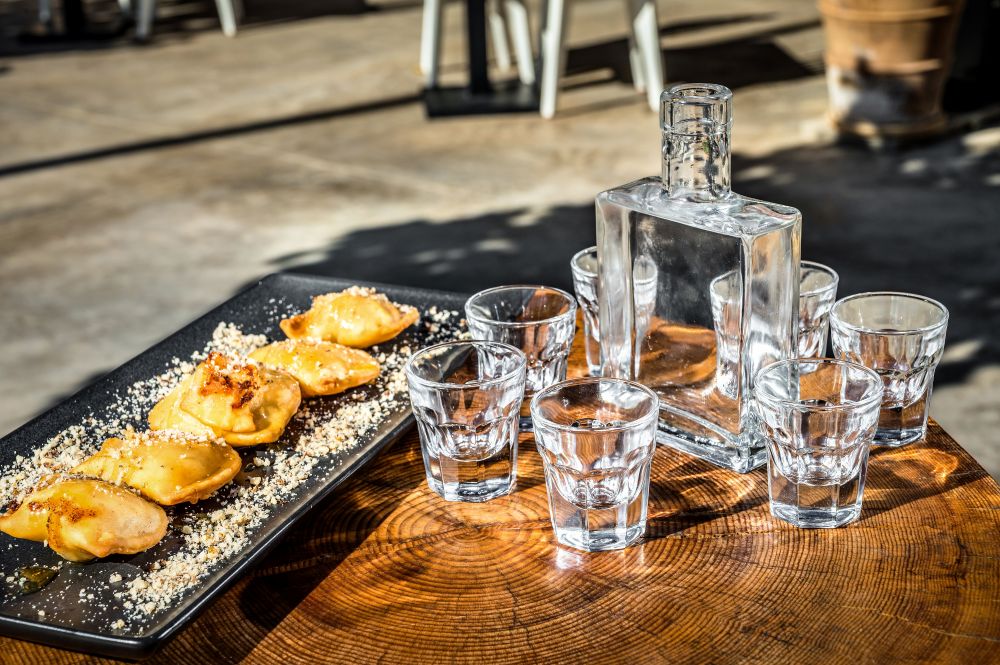
Few experiences capture the true spirit of Crete better than sharing a glass of traditional Cretan raki, known locally as tsikoudia. More than just an alcoholic drink, raki represents hospitality, friendship, tradition, and the unique way of life that has shaped the island for centuries.
For many visitors, their first taste of authentic Cretan raki becomes one of the most memorable experiences of their holiday in Crete.
What Is Cretan Raki or Tsikoudia?
Cretan raki, also known as tsikoudia, is a traditional spirit produced from grape pomace after the wine harvest. It is one of the most characteristic drinks of Crete and is deeply connected with local culture, village life, and Cretan hospitality.
Unlike many commercial spirits, authentic Cretan raki contains no added sugar or artificial flavourings. It is crystal clear, strong, and, when produced with care, remarkably smooth.
Depending on the producer, its alcohol content usually ranges between 35% and 45%, although homemade varieties may occasionally be even stronger.
The Tradition of Kazania in Crete
Every autumn, villages across Crete come alive during the distillation season. Families and friends gather around traditional stills, known as “kazania”, to produce the year’s fresh raki.
These gatherings are far more than a production process. They are celebrations of community, music, food, storytelling, and tradition.
More Than a Drink
For Cretans, raki is not simply something to drink. It is part of social life and an important expression of local identity. It is often shared slowly, accompanied by conversation, laughter, and good company.
Despite its strength, raki is rarely consumed quickly or excessively. Instead, it is enjoyed as part of a moment — after a meal, during a friendly visit, or while sharing stories with locals.
Raki and Cretan Hospitality
One of the most remarkable aspects of visiting Crete is discovering the island’s famous hospitality, known as “philoxenia”.
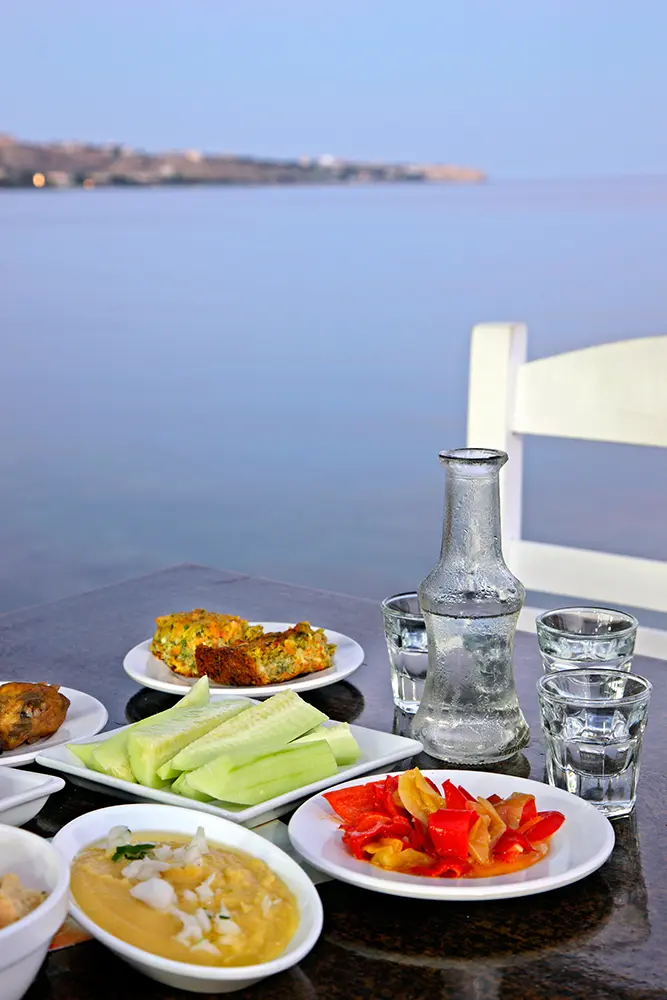
It is not uncommon for visitors to be offered a complimentary glass of raki after a meal in a local taverna, as a gesture of friendship and appreciation. For Cretans, offering raki is not merely a custom; it is an expression of welcome, respect, and human connection.
In many villages, a simple greeting may quickly turn into an invitation to sit down, share a glass of raki, and exchange stories.
Experiencing Raki During Your Holiday in Crete
At Stefanos Tours, we believe that discovering Crete means much more than visiting beautiful beaches, historical monuments, and picturesque villages.
It also means experiencing the traditions, flavours, and authentic hospitality that make this island so special.
During some of our excursions, there may be a genuine possibility that visitors are invited to enjoy a small glass of traditional Cretan raki as part of their experience.
Not on every excursion, of course — we would not want any misunderstandings — but when it happens, it represents one of the most authentic and memorable moments a visitor can experience in Crete.
Why Raki Is Part of the Cretan Soul
Whether shared in a mountain village, offered by a local family, or enjoyed after a memorable day exploring the island, every glass of Cretan raki tells a story.
Perhaps that is why so many visitors return home believing that they have not only discovered Crete, but have also become part of its extended family.
Because in Crete, raki is much more than a drink. It is a symbol of friendship, hospitality, and the timeless spirit of the island itself.
Discover the Authentic Side of Crete
If you want to experience the real Crete, look beyond the beaches and famous landmarks. Explore its villages, meet its people, taste its local flavours, and discover the traditions that make the island so unique.
With Stefanos Tours, every excursion is an opportunity to get closer to the authentic spirit of Crete.