Ierapetra, Crete: The Complete Travel Guide to Europe’s Southernmost Town
Introduction
Every year, millions of travellers choose Crete for its sunshine, beautiful beaches and fascinating history. Many spend their entire holiday exploring the island’s famous northern coast, visiting places such as Chania, Rethymno, Heraklion and Agios Nikolaos. Yet surprisingly, relatively few continue their journey to the south, where one of Crete’s most authentic and rewarding destinations awaits.
Welcome to Ierapetra Crete, the southernmost town in Europe. Situated on the shores of the crystal-clear Libyan Sea, Ierapetra offers something refreshingly different from many of Crete’s better-known resorts. Here, you will find a lively waterfront, an atmospheric old town, centuries of fascinating history, beautiful nearby beaches and a way of life that still feels genuinely Cretan.
Although Ierapetra is often best known as the gateway to the famous Chrissi Island, the town itself deserves far more attention than it usually receives. Its rich history stretches back more than two thousand years, from the ancient city of Hierapytna through the Roman, Byzantine, Venetian and Ottoman periods, leaving behind a remarkable cultural heritage that visitors can still experience today.
What makes Ierapetra truly special, however, is not only its monuments or its beautiful location. It is the atmosphere. Unlike many destinations that become crowded with tourism during the summer months, Ierapetra has managed to preserve its identity as a real working Cretan town. Local people still gather along the promenade every evening, fishermen continue to bring in their daily catch, cafés remain filled with conversations rather than crowds, and visitors quickly discover a side of Crete that feels authentic, relaxed and welcoming.
Whether you are planning a day trip, considering a longer stay or simply looking to discover a different side of Crete, this complete guide will help you explore everything that makes Ierapetra one of the island’s most underrated destinations. From historical landmarks and beautiful beaches to local food, unforgettable excursions and practical travel tips, you’ll find everything you need to plan your visit.
Where Is Ierapetra?
Ierapetra is located on the south coast of Eastern Crete, in the regional unit of Lasithi, overlooking the crystal-clear waters of the Libyan Sea. It is approximately 35 kilometres south of Agios Nikolaos and around 95 kilometres southeast of Heraklion, making it easily accessible by car or organised excursion from many of Crete’s most popular holiday resorts.
What makes Ierapetra truly unique is its geographical position. It is widely recognised as the southernmost town in Europe, a distinction that gives it one of the warmest climates on the continent. With more than 300 days of sunshine each year, mild winters and long, hot summers, Ierapetra enjoys exceptional weather that attracts visitors throughout much of the year.
Unlike many coastal destinations in northern Crete, which face the Aegean Sea, Ierapetra looks towards the vast Libyan Sea and, beyond that, the northern coast of Africa. This southern orientation gives the town its own distinctive atmosphere, with calmer waters on many days, spectacular sunrises and a feeling of openness that immediately captures the attention of visitors.
Although Ierapetra has a permanent population of around 16,000 residents, it never feels like a large city. Instead, it combines the facilities and services of a modern town with the relaxed pace and friendly character that have long defined life in southern Crete. Visitors will find comfortable accommodation, excellent restaurants, lively cafés, local shops, beautiful beaches and a welcoming atmosphere, all within easy walking distance of the town centre.
For many travellers, Ierapetra also serves as the gateway to some of the most remarkable attractions in southern Crete, including the world-famous Chrissi Island, the picturesque village of Myrtos, the beaches of Koutsounari and Agia Fotia, the mountain landscapes of Selakano and many other hidden gems that remain largely undiscovered by mass tourism.
Why Visit Ierapetra?
Crete is home to countless beautiful destinations, each with its own unique character. So why should Ierapetra be part of your itinerary?
The answer lies in its remarkable combination of history, natural beauty, authentic local life and relaxed atmosphere. Unlike some of the island’s more crowded tourist centres, Ierapetra has remained a place where visitors can experience everyday Crete while still enjoying excellent facilities, beautiful beaches and fascinating attractions.
Here are some of the reasons why so many visitors fall in love with Ierapetra.
1. It’s the Southernmost Town in Europe
There are very few places in Europe where you can stand on a lively seaside promenade, look out across the endless blue of the Libyan Sea and know that the next continent is Africa. This unique geographical position gives Ierapetra not only its famous title but also its wonderfully warm climate and distinctive atmosphere.
2. The Gateway to Chrissi Island
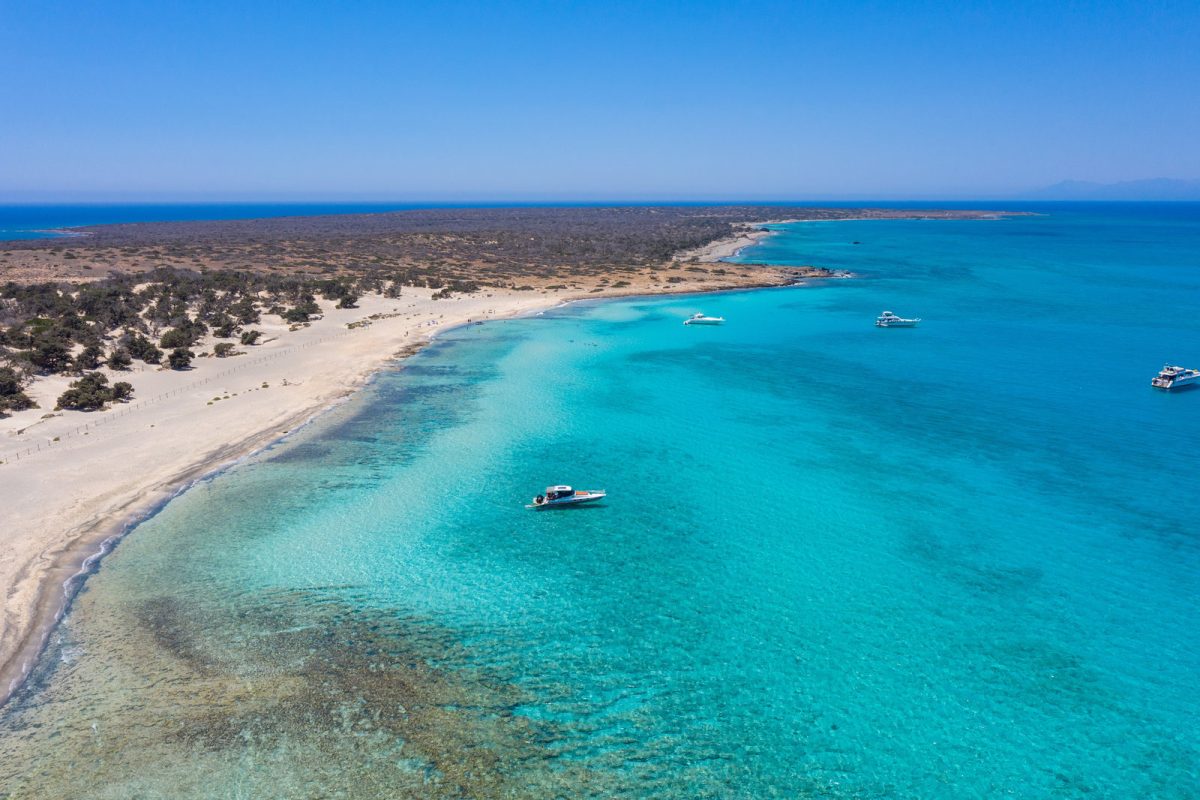
Ierapetra is the departure point for boat trips to the spectacular island of Chrissi, famous for its turquoise waters, white sandy beaches and protected natural environment. For many visitors, a trip to Chrissi becomes one of the highlights of their holiday in Crete.
3. A Town with More Than 2,000 Years of History
From the ancient city of Hierapytna to the Venetian Fortress, Ottoman Old Town and the famous House of Napoleon, Ierapetra offers a fascinating journey through the many civilizations that shaped Crete over the centuries.
4. Beautiful Beaches for Every Taste
Whether you prefer organised sandy beaches, quiet coves, crystal-clear waters or long stretches of coastline, the area around Ierapetra offers some of the finest beaches in southern Crete, many of which remain pleasantly uncrowded even during the busiest months of summer.
5. Authentic Cretan Life
Unlike destinations that exist almost exclusively for tourism, Ierapetra is a real Cretan town where everyday life continues throughout the year. Local cafés, traditional markets, fishermen returning to the harbour and families enjoying evening walks all create an atmosphere that feels genuine rather than staged.
6. Excellent Local Food
The fertile plain surrounding Ierapetra produces some of Greece’s finest vegetables, olive oil and agricultural products. Combined with fresh seafood from the Libyan Sea and traditional Cretan recipes, the town has become an excellent destination for anyone wishing to experience authentic local cuisine.
7. A Perfect Base for Exploring Southern Crete
From Ierapetra, visitors can easily discover mountain villages, spectacular gorges, hidden beaches, monasteries and archaeological sites that remain among Crete’s best-kept secrets.
8. One of the Sunniest Places in Greece
Thanks to its southern location, Ierapetra enjoys an exceptionally mild climate with sunshine for most of the year, making it an attractive destination not only in summer but also during spring and autumn.
9. Relaxed Evenings by the Libyan Sea
As the sun begins to set, the waterfront comes alive with cafés, restaurants and local families enjoying their evening stroll. There is no rush here—just a relaxed Mediterranean atmosphere that invites visitors to slow down and enjoy the moment.
10. A Different Side of Crete
Perhaps the greatest reason to visit Ierapetra is that it offers a side of Crete many travellers never experience. It is a destination where history, nature, local traditions and modern life exist in perfect balance, allowing visitors to discover an authentic corner of the island that often becomes one of the most memorable parts of their holiday.
📌 Local Tip from Stefanos
If your schedule allows, spend at least one evening in Ierapetra instead of simply passing through on your way to or from Chrissi Island. As daylight fades and the promenade fills with local families and visitors, you’ll experience the town at its most authentic—and understand why so many people who discover Ierapetra once are eager to return.
A Brief History of Ierapetra
Long before Ierapetra became a popular destination for travellers exploring southern Crete, it was already one of the island’s most important settlements. Its strategic location on the Libyan Sea made it a natural centre for trade, communication and maritime activity, linking Crete with Egypt, North Africa and the wider eastern Mediterranean.
The town’s history stretches back to antiquity, when it was known as Hierapytna. Archaeological evidence suggests that the area has been inhabited since the Minoan period, but it was during the Hellenistic era that Hierapytna developed into one of the most powerful city-states in eastern Crete. Thanks to its thriving harbour and strategic position, it became an important commercial and naval power, competing with other major Cretan cities of the time.
During the Roman period, Hierapytna continued to prosper and became one of the most significant administrative centres in Crete. Magnificent public buildings, temples, baths and villas reflected the wealth and importance of the city, while trade routes connected it with ports throughout the Mediterranean.
Like much of Crete, Ierapetra later passed through the Byzantine, Venetian and Ottoman periods, each leaving a lasting mark on the town. The Venetians strengthened its coastal defences by constructing the impressive Kales Fortress, which still dominates the harbour today, while the Ottoman era influenced the layout of the old town, where narrow streets and traditional houses continue to preserve the atmosphere of centuries past.
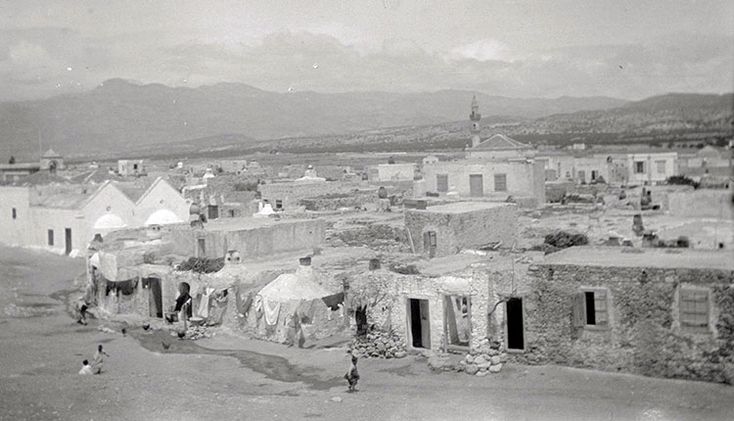
Today, visitors walking through Ierapetra can still discover traces of these different civilizations. Ancient history, medieval fortifications, Venetian architecture, Ottoman influences and modern Cretan life exist side by side, creating a destination where every street tells part of a story that spans more than two thousand years.
One of the things I enjoy most about Ierapetra is that history isn’t hidden behind museum walls. As you walk through the old town or along the harbour, you’ll often come across historical buildings and monuments almost unexpectedly. Take your time, wander without a plan and allow the town to reveal its history gradually—it’s one of the most rewarding ways to experience Ierapetra.
Kales Fortress: The Guardian of Ierapetra
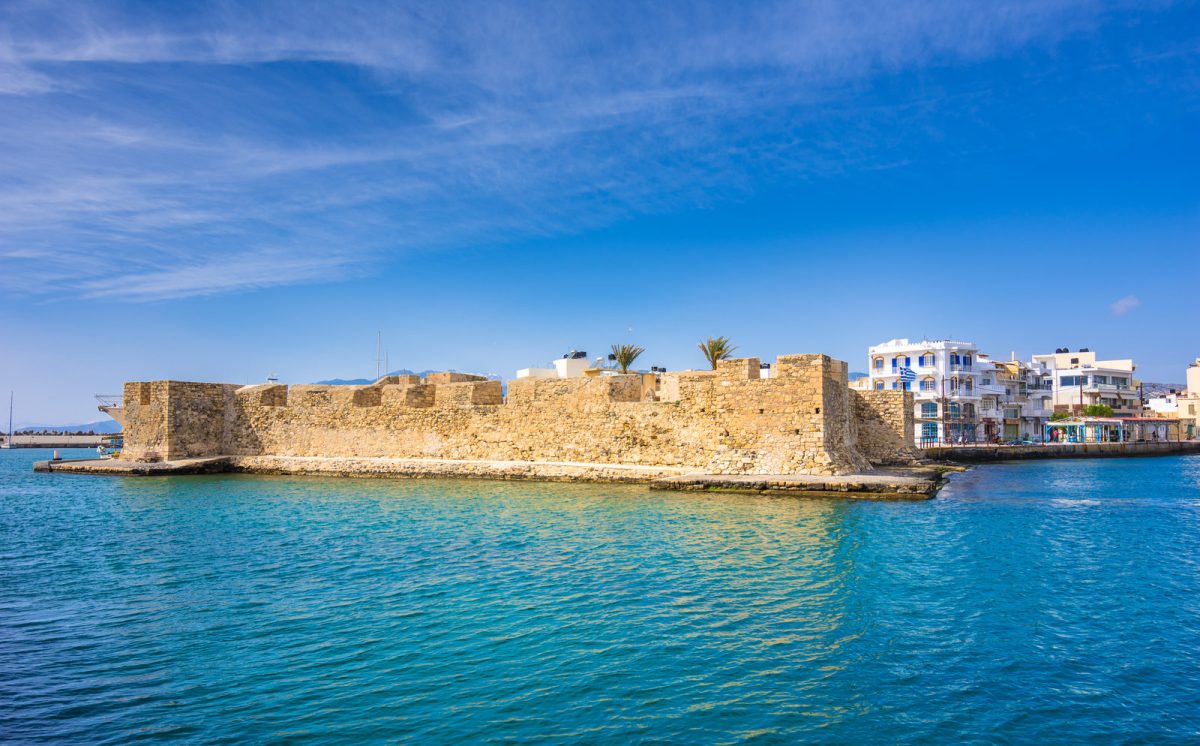
Standing proudly at the entrance to Ierapetra’s harbour, the Kales Fortress is the town’s most recognisable landmark and one of the finest reminders of its long and fascinating history. For more than five centuries, this imposing stone fortress has watched over the Libyan Sea, protecting the harbour from pirates, invading fleets and the many challenges of life on one of the Mediterranean’s most important maritime routes.
Although the exact origins of the site remain uncertain, historians believe that earlier fortifications may have existed during the Byzantine period. The fortress seen today was largely constructed by the Venetians in the early 13th century after they established control over Crete. Thanks to Ierapetra’s strategic location on the island’s southern coast, the harbour became an important link between Crete, North Africa and the eastern Mediterranean, making strong coastal defences essential.
The name “Kales” comes from the Turkish word kale, meaning “fortress” or “castle,” reflecting the period when Crete came under Ottoman rule. Like many historic monuments on the island, the fortress evolved over the centuries as successive rulers repaired, strengthened and adapted it to meet changing military needs.
Today, visitors can walk along the fortress walls and enjoy magnificent panoramic views over Ierapetra’s harbour, the Libyan Sea and the town itself. Looking out across the endless blue waters, it is easy to imagine the merchant ships, fishing boats and military vessels that once arrived here from every corner of the Mediterranean.
Although no longer needed for defence, Kales remains one of Ierapetra’s most important historical monuments and an essential stop for anyone interested in the rich history of eastern Crete. It offers not only a glimpse into the island’s Venetian past but also one of the finest viewpoints in the town, especially during the golden hours of early morning or just before sunset.
Local Tip from Stefanos
Visit the fortress either early in the morning or in the late afternoon, when the light is softer and the temperatures are more comfortable. From the walls, you’ll enjoy some of the best panoramic photographs of Ierapetra, the harbour and the endless Libyan Sea. If you’re interested in photography, this is one of the town’s most rewarding viewpoints.
Napoleon’s House: Legend or Reality?
Among the narrow streets of Ierapetra’s Old Town stands one of the town’s most intriguing landmarks: Napoleon’s House. Although modest in appearance, this historic building has become one of Ierapetra’s most visited attractions thanks to a story that has fascinated travellers for generations.
According to local tradition, Napoleon Bonaparte spent a single night in the house on 26 July 1798, while travelling from Egypt to France after his famous Egyptian campaign. Legend says that bad weather forced his ship to seek shelter in Ierapetra’s harbour, where the future French emperor wandered through the town disguised as an ordinary officer before accepting the hospitality of a local family.
Whether this story is entirely true remains the subject of historical debate. While no definitive documentary evidence has ever confirmed Napoleon’s overnight stay, the tradition has been passed down through generations of local residents and remains an important part of Ierapetra’s cultural identity.
Today, the building is preserved as one of the town’s most famous historical landmarks. Visitors often stop to admire its traditional architecture, take photographs and reflect on the remarkable possibility that one of Europe’s most influential historical figures may once have walked these very streets.
Even if the mystery is never fully solved, Napoleon’s House continues to remind visitors that history is often shaped not only by documented facts but also by the stories, legends and traditions that communities preserve over time. In Ierapetra, the legend has become part of the town’s charm, adding another fascinating chapter to its long and colourful past.
Local Tip from Stefanos
Napoleon’s House is easy to miss if you’re walking quickly through the Old Town. Take your time exploring the surrounding alleys, where you’ll discover traditional houses, colourful flowers, small cafés and quiet corners that reveal the authentic character of Ierapetra far better than any guidebook.
Exploring the Old Town of Ierapetra
While many visitors come to Ierapetra for its beaches or as a gateway to Chrissi Island, those who take the time to explore the Old Town often discover one of the most charming and authentic corners of southern Crete.
Unlike many historic centres that have become dominated by souvenir shops and tourist crowds, Ierapetra’s Old Town has retained its genuine character. Life continues much as it always has. Local residents still live behind the whitewashed walls, neighbours stop to chat in the narrow streets, colourful flowers decorate balconies and doorways, and the slow rhythm of everyday Cretan life is still very much alive.
The best way to experience the Old Town is simply to wander without a fixed destination. Its maze of narrow alleyways reveals hidden courtyards, traditional houses, small cafés and historic buildings that tell the story of the many civilizations that have shaped Ierapetra over the centuries. Around almost every corner, visitors discover something unexpected—a beautifully restored doorway, an old stone arch, a tiny chapel or a peaceful square where time seems to stand still.
Walking through these streets also offers a glimpse into the architectural influences left by the Venetians and the Ottomans. Although many buildings have been carefully restored, the Old Town has avoided becoming an open-air museum. Instead, it remains a living neighbourhood where history and modern life coexist naturally.
During the summer months, the atmosphere becomes even more inviting in the early evening. As the temperatures begin to fall, both locals and visitors fill the streets, enjoying a leisurely stroll before dinner. Restaurants set out their tables, cafés become busy with conversation and the warm Mediterranean light gives the old stone buildings a beautiful golden glow.
It is often here, away from the famous landmarks, that visitors experience the true spirit of Ierapetra. The Old Town does not impress through grandeur or monumental architecture but through its authenticity, its simplicity and its ability to make people feel welcome from the moment they arrive.
Local Tip from Stefanos
Don’t worry about following a map too closely. Some of the most memorable moments in Ierapetra happen when you turn into a quiet alley simply because it looks interesting. Leave yourself time to explore without a plan—you’ll often discover the town’s real character in the places that aren’t marked as attractions.
Did You Know?
Did you know? Ierapetra is not only the southernmost town in Europe but also one of the sunniest places on the continent, enjoying more than 300 days of sunshine each year.
The Seafront Promenade: The Heartbeat of Ierapetra
If the Old Town tells the story of Ierapetra’s past, the seafront promenade reveals the town as it is today. Stretching along the shores of the Libyan Sea, this lively waterfront is where locals and visitors come together to relax, socialise and enjoy one of the warmest climates in Europe.
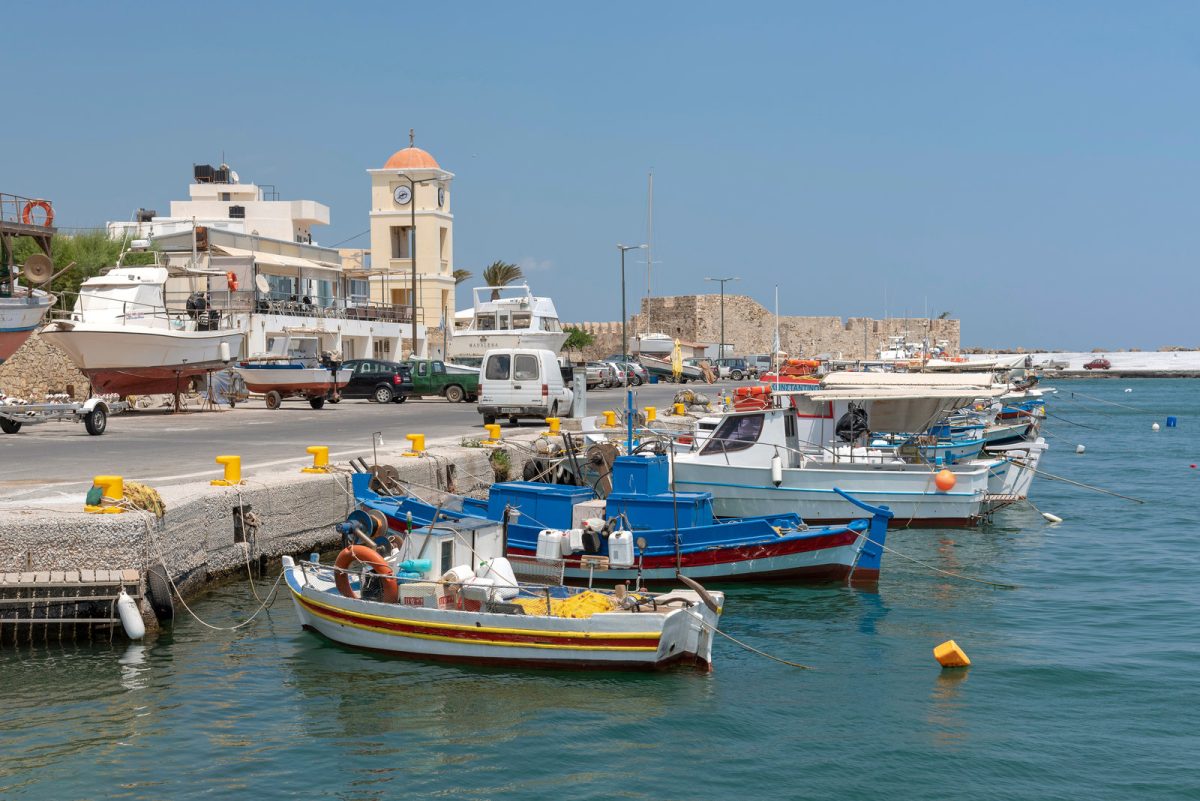
Throughout the day, the promenade has a different character. Early in the morning, local fishermen prepare their boats while cafés welcome the first customers of the day with freshly brewed Greek coffee. As the afternoon unfolds, the waterfront becomes a pleasant place to escape the heat beneath the shade of palm trees, with countless cafés, restaurants and ice cream shops inviting visitors to slow down and enjoy the sea views.
The atmosphere changes once again after sunset. Families take their evening walk, couples stroll hand in hand along the waterfront, children play in the nearby squares and the terraces of the restaurants fill with people enjoying fresh seafood, traditional Cretan dishes and local wine. Unlike many purpose-built tourist resorts, the promenade belongs equally to residents and visitors, creating a warm and authentic atmosphere that reflects everyday life in Ierapetra.
One of the greatest pleasures is simply sitting at a waterfront café, watching fishing boats return to the harbour while the gentle sound of the waves accompanies the conversations around you. There is no need for a busy itinerary here. Sometimes, the best way to experience Ierapetra is simply to pause, order a coffee or a glass of local wine and watch life unfold.
Thanks to its southern location, the promenade enjoys sunshine throughout much of the year, making it a wonderful place to visit not only during the summer but also in spring and autumn, when the weather remains pleasantly warm and the pace of life becomes even more relaxed.
Local Tip from Stefanos
One of my favourite times to walk along the promenade is just before sunset. The light becomes softer, the sea often turns shades of deep blue and gold, and the town begins to come alive as local people head out for the evening. It’s a simple experience, but one that captures the true spirit of Ierapetra.
Churches and Religious Heritage
Beyond its beaches and historical landmarks, Ierapetra is also home to a rich religious heritage that reflects the deep-rooted traditions of Eastern Crete. Scattered throughout the town are beautiful churches and chapels that have served the local community for centuries, offering visitors a quieter and more contemplative side of the town.
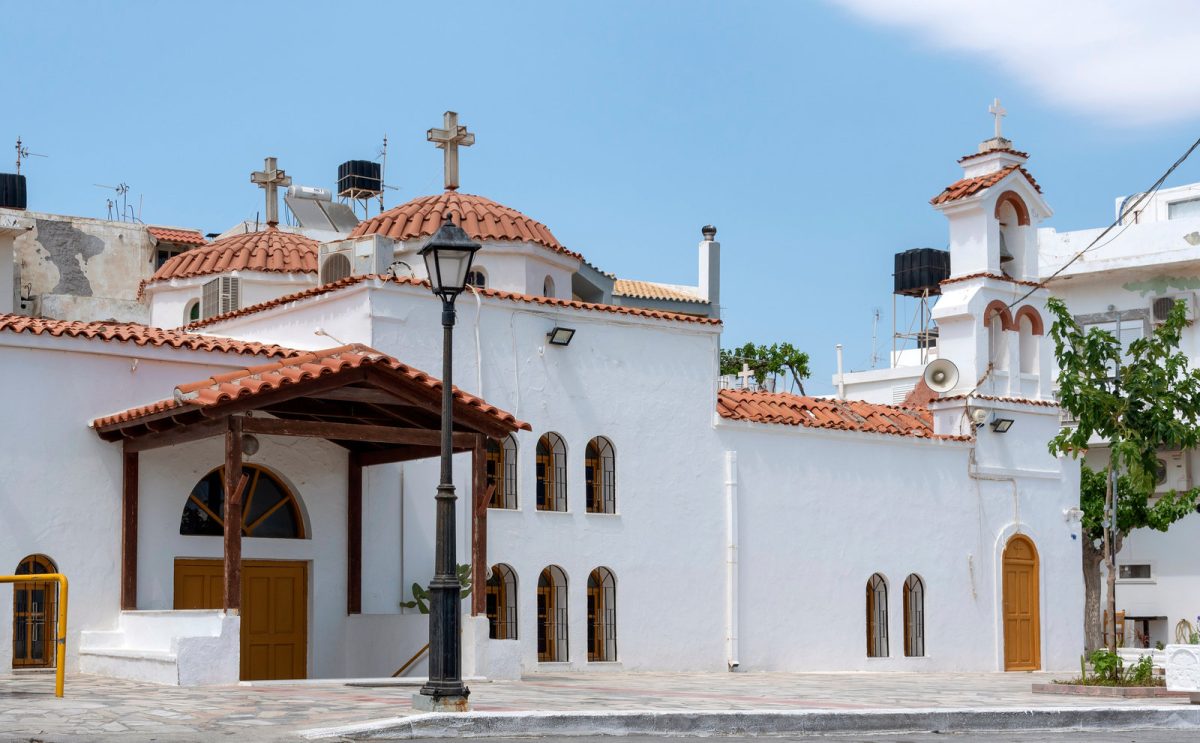
One of the most important churches is the Cathedral of Saint Fotini, the patron saint of Ierapetra, which occupies a central place in the religious life of the town. Another significant landmark is the Church of Saint George, located within the Old Town, whose history is closely connected with the many different periods that have shaped Ierapetra over the centuries.
As you explore the narrow streets, you’ll also come across smaller chapels and historic places of worship, each with its own story to tell. Their simple architecture, peaceful atmosphere and beautiful icons provide a glimpse into the spiritual traditions that continue to play an important role in everyday life.
The wider area around Ierapetra is equally rich in religious monuments, including historic monasteries, Byzantine churches and secluded chapels hidden among olive groves and mountains. Together, they form an important part of the region’s cultural identity and offer visitors another reason to look beyond the well-known tourist attractions.
For travellers interested in history, architecture or Orthodox Christian heritage, Ierapetra offers far more than first meets the eye. Exploring its churches provides a deeper understanding of the town’s past and the traditions that continue to shape its present.
Local Tip from Stefanos
Even if you’re not particularly interested in religious history, it’s worth stepping inside one of Ierapetra’s churches if you find the doors open. The peaceful atmosphere, beautiful iconography and centuries of tradition offer a completely different perspective on the town and its people.
The Best Beaches Near Ierapetra
One of Ierapetra’s greatest advantages is its proximity to some of the most beautiful beaches in southern Crete. Whether you’re looking for long stretches of golden sand, secluded coves with crystal-clear waters or family-friendly beaches with excellent facilities, the area offers something for every type of traveller.
Thanks to the warm climate and the clear waters of the Libyan Sea, the swimming season in Ierapetra is often longer than in many other parts of Greece. From late spring until well into autumn, visitors can enjoy wonderfully warm sea temperatures and plenty of sunshine.
Ierapetra Town Beach
Running alongside the town itself, Ierapetra’s main beach offers a convenient place for a swim just a short walk from the cafés, restaurants and shops. With clear water, a mix of sand and small pebbles, organised sections and easy access, it is ideal for visitors who want to combine sightseeing with a refreshing dip in the Libyan Sea.
Agia Fotia Beach
Located around 15 kilometres east of Ierapetra, Agia Fotia is one of the region’s most popular beaches. Its crystal-clear water, peaceful surroundings and excellent tavernas make it a favourite with both locals and visitors. The beach is well organised while still retaining its relaxed atmosphere, making it suitable for couples and families alike.
Koutsounari Beach (Long Beach)
Stretching for several kilometres, Koutsounari Beach—also known as Long Beach—is one of the longest beaches in Crete. Its combination of coarse sand and small pebbles, together with the deep blue waters of the Libyan Sea, creates an impressive natural setting. Even during the busiest weeks of summer, the beach is spacious enough for visitors to find a quiet spot to relax.
Achlia Beach
Smaller and more secluded than many neighbouring beaches, Achlia Beach is perfect for those looking for peace and tranquillity. Surrounded by rocky hills and unspoilt scenery, it offers exceptionally clear water and a more intimate atmosphere away from the larger tourist areas.
Myrtos Beach
Although located a little west of Ierapetra, the beautiful village of Myrtos is well worth the short drive. Its beach combines calm waters, a relaxed atmosphere and a charming seafront lined with traditional tavernas, making it one of the most enjoyable destinations on the south coast of Crete.
Chrissi Island Beaches
No guide to the beaches around Ierapetra would be complete without mentioning Chrissi Island. While access to the island is now carefully managed to protect its fragile ecosystem, the turquoise waters surrounding Chrissi remain among the most spectacular in the Mediterranean. Swimming here is an unforgettable experience and one of the highlights of any visit to southern Crete.
Local Tip from Stefanos
If you enjoy discovering quieter places, don’t limit yourself to the best-known beaches. The coastline east and west of Ierapetra is full of small coves and hidden swimming spots where you can often enjoy the sea in complete peace, especially outside the peak summer months.
Things to Do in Ierapetra
Whether you’re visiting for a few hours or planning to spend several days in the area, Ierapetra offers far more than many travellers expect. From exploring historic landmarks and relaxing on beautiful beaches to discovering traditional villages and taking unforgettable boat trips, there is no shortage of experiences waiting to be enjoyed.
Here are some of the best things to do while visiting Ierapetra.
Explore the Old Town
Lose yourself in the maze of narrow streets, admire the traditional architecture, discover hidden courtyards and enjoy the authentic atmosphere of one of southern Crete’s oldest neighbourhoods.
Visit Kales Fortress
Walk along the Venetian walls and enjoy panoramic views over the harbour and the Libyan Sea while discovering one of Ierapetra’s most important historical monuments.
Discover Napoleon’s House
Visit one of the town’s most famous landmarks and learn about the fascinating legend connecting Ierapetra with one of history’s greatest military leaders.
Relax on the Beaches
Spend a day swimming in the warm waters of the Libyan Sea, whether at Ierapetra’s town beach or at nearby favourites such as Agia Fotia, Koutsounari and Achlia.
Take a Boat Trip to Chrissi Island
Experience the turquoise waters surrounding one of the Mediterranean’s most beautiful protected islands.
Enjoy Fresh Seafood
Choose one of the waterfront tavernas and taste freshly caught fish, octopus, calamari and traditional Cretan dishes prepared with locally produced olive oil.
Walk Along the Promenade
Join the locals for an evening stroll beside the sea and experience the relaxed rhythm of everyday life in Ierapetra.
Visit Local Shops
Browse family-owned shops offering local olive oil, honey, herbs, wines, handmade products and authentic Cretan souvenirs.
Explore the Surrounding Villages
Venture beyond the town to discover charming villages, mountain landscapes and hidden corners of southern Crete where traditional life continues much as it has for generations.
Watch the Sunrise Over the Libyan Sea
While Crete is famous for its sunsets, the sunrise in Ierapetra can be equally spectacular, especially on calm mornings when the sea reflects the first golden light of the day.
Local Tip from Stefanos
Don’t try to rush through everything in one day. Ierapetra is a place best enjoyed at a slower pace. Leave time for an unplanned coffee by the harbour, a leisurely lunch at a traditional taverna or simply a quiet walk along the seafront. Those simple moments often become the memories people treasure most.
Taste the Flavours of Ierapetra
No visit to Ierapetra is complete without experiencing its outstanding local cuisine. Thanks to its fertile land, favourable climate and access to the rich fishing grounds of the Libyan Sea, the region has developed a culinary tradition that perfectly reflects the flavours of Crete.
Ierapetra is often referred to as the greenhouse capital of Greece, producing a significant proportion of the country’s tomatoes, cucumbers, peppers, aubergines and many other fresh vegetables. As a result, many of the ingredients served in local restaurants have travelled only a few kilometres from the field to the table, offering exceptional freshness and flavour.
Seafood also plays a central role in the local cuisine. Fresh fish, octopus, squid, prawns and other Mediterranean delicacies regularly appear on restaurant menus, often prepared using simple traditional recipes that allow the quality of the ingredients to shine. Combined with excellent local olive oil, aromatic herbs and seasonal vegetables, these dishes represent the very essence of the Cretan diet.
Visitors should also take the opportunity to sample some of Crete’s best-known traditional specialities. Dishes such as dakos, slow-cooked lamb, stuffed vegetables (gemista), wild greens (horta), local cheeses and handmade pies continue to be served in family-run tavernas, preserving recipes that have been passed down through generations.
No meal in Ierapetra would be complete without tasting the region’s outstanding extra virgin olive oil, accompanied by freshly baked bread and, perhaps, a small glass of raki, Crete’s famous traditional spirit. In true Cretan hospitality, it is often offered at the end of a meal together with fresh fruit or a homemade dessert.
Whether you choose a waterfront seafood restaurant, a traditional taverna tucked away in the Old Town or a family-run establishment in one of the nearby villages, dining in Ierapetra is about much more than satisfying your appetite. It is an opportunity to experience the warmth, generosity and traditions that have defined Cretan hospitality for centuries.
Local Tip from Stefanos
One of the best ways to judge a restaurant in Ierapetra is to see where the locals are eating. If you find a taverna filled with local families rather than only visitors, there’s a good chance you’re about to enjoy an excellent meal prepared with fresh local ingredients.
Best Day Trips from Ierapetra
One of the greatest advantages of staying in Ierapetra is that it provides easy access to some of the most spectacular landscapes, beaches, villages and historical sites in southern and eastern Crete. Whether you’re interested in nature, history, traditional villages or simply discovering more of the island, there are countless unforgettable day trips within easy reach.
Here are some of the best places to explore from Ierapetra.
Chrissi Island
Just a short boat journey from Ierapetra lies Chrissi Island, one of the Mediterranean’s most extraordinary natural treasures. Famous for its crystal-clear turquoise waters, golden sand and protected ecosystem, it remains one of Crete’s most unforgettable excursions. Although environmental regulations now protect much of the island, swimming in the surrounding waters continues to be an unforgettable experience.
Myrtos
Around 15 kilometres west of Ierapetra, the charming seaside village of Myrtos offers a slower pace of life, a beautiful beach and an authentic Cretan atmosphere. With its colourful waterfront, traditional tavernas and friendly locals, it is the perfect destination for a relaxing afternoon.
Koutsounari and Agia Fotia
East of Ierapetra, the coastline is dotted with beautiful beaches, peaceful seaside villages and crystal-clear waters. Koutsounari and Agia Fotia are ideal for visitors looking to enjoy a quieter side of southern Crete while remaining close to the town.
Selakano Forest
Hidden high in the mountains north of Ierapetra, Selakano Forest is one of Crete’s most important pine forests and a paradise for walkers, cyclists and nature lovers. The fresh mountain air, scenic roads and spectacular views offer a complete contrast to the coastline below.
Bramiana Reservoir
One of the largest artificial lakes in Crete, Bramiana Reservoir has become an important wetland attracting numerous bird species throughout the year. Nature enthusiasts and birdwatchers will appreciate its peaceful surroundings and impressive landscapes.
Makry Gialos
Further east along the south coast lies Makry Gialos, a popular seaside resort known for its sandy beaches, calm waters and relaxed atmosphere. It is particularly popular with families and visitors seeking a quieter alternative to the island’s larger resorts.
Toplou Monastery
Combining history, spirituality and impressive architecture, Toplou Monastery is one of eastern Crete’s most important religious monuments. Surrounded by vineyards and olive groves, it also offers visitors the opportunity to discover locally produced wine and olive oil.
Zakros and the Palace of Zakros
For visitors interested in archaeology, Zakros offers one of the most fascinating Minoan sites on the island. The Palace of Zakros, together with the dramatic Gorge of the Dead, provides a memorable combination of history, mythology and spectacular scenery.
Agios Nikolaos
Less than an hour away, Agios Nikolaos is one of Crete’s most elegant coastal towns. Famous for Lake Voulismeni, its vibrant harbour and beautiful shopping streets, it makes an excellent day trip from Ierapetra.
Local Tip from Stefanos
One of the things I love most about Ierapetra is its location. Within an hour’s drive, you can experience completely different landscapes—from tropical beaches and quiet fishing villages to mountain forests, ancient palaces and traditional monasteries. Few places in Crete offer such variety in such a short distance.
When Is the Best Time to Visit Ierapetra?
Thanks to its unique location on the southern coast of Crete, Ierapetra enjoys one of the warmest and sunniest climates in Europe. With more than 300 days of sunshine each year and mild temperatures throughout much of the year, it is a destination that can be enjoyed well beyond the traditional summer season.
Spring (March to May) is one of the most beautiful times to visit. Wildflowers cover the countryside, temperatures are pleasantly warm and the beaches remain peaceful. It is an excellent season for sightseeing, walking and exploring the surrounding villages and landscapes.
Summer (June to September) brings long sunny days, warm sea temperatures and a lively atmosphere throughout the town. This is the perfect time for beach lovers, boat trips to Chrissi Island and outdoor dining along the waterfront.
Autumn (October and November) is often considered one of Crete’s best-kept secrets. The sea remains warm after the summer, the crowds begin to disappear and visitors can enjoy a more relaxed experience while still benefiting from excellent weather.
Even winter has its own charm. Thanks to Ierapetra’s exceptionally mild climate, sunny days are common and the town continues its everyday rhythm long after many seasonal resorts elsewhere on the island have become quiet.
Local Tip from Stefanos
If you enjoy sightseeing, photography and a slower pace of travel, consider visiting in late April, May or October. You’ll often enjoy beautiful weather, easier parking, quieter beaches and a more authentic experience of local life.
Why Ierapetra Is Different
Every destination in Crete has its own personality. Chania impresses visitors with its magnificent Venetian harbour, Rethymno charms with its beautifully preserved old town, while Agios Nikolaos is famous for Lake Voulismeni and the elegant setting of Mirabello Bay.
Ierapetra offers something different.
It is a town that has never lost its connection with everyday Cretan life. Tourism is important here, but it exists alongside agriculture, fishing and local traditions that continue throughout the year. Visitors are not stepping into a place created solely for holidays—they are discovering a living community where people work, celebrate, gather with friends and continue customs that have shaped the region for generations.
There is also a unique sense of openness created by the Libyan Sea. The landscape feels different from northern Crete, the climate is noticeably warmer and the pace of life seems just a little slower. Days often end with a leisurely walk along the promenade, a meal overlooking the water and conversations that continue long after sunset.
Perhaps this is why so many visitors describe Ierapetra as one of Crete’s hidden gems. It does not try to impress through luxury or spectacle. Instead, it wins people over through authenticity, hospitality and the simple pleasure of experiencing everyday life in one of Europe’s southernmost towns.
📌 Local Tip from Stefanos
Don’t compare Ierapetra with other towns in Crete—experience it on its own terms. It has a different rhythm, a different landscape and a different character. Once you embrace that slower pace, you’ll understand why so many visitors return year after year.
Frequently Asked Questions About Ierapetra
Is Ierapetra worth visiting?
Absolutely. Ierapetra combines beautiful beaches, fascinating history, authentic Cretan culture and a relaxed atmosphere that many visitors consider one of the highlights of their holiday in Crete. Whether you’re visiting for a day or staying longer, there is plenty to see and experience.
Why is Ierapetra famous?
Ierapetra is best known as the southernmost town in Europe, its beautiful waterfront, the Venetian Kales Fortress, Napoleon’s House and as the departure point for boat trips to the world-famous Chrissi Island.
How far is Ierapetra from Heraklion?
Ierapetra is approximately 95 kilometres from Heraklion. The journey by car usually takes around one hour and forty-five minutes, depending on traffic and the chosen route.
How far is Ierapetra from Agios Nikolaos?
Agios Nikolaos is around 35 kilometres north of Ierapetra and can usually be reached in approximately 40 minutes by car.
Can you visit Chrissi Island from Ierapetra?
Yes. Ierapetra is the main departure point for boat excursions to Chrissi Island during the operating season. Visitors should be aware that environmental regulations currently protect large parts of the island, but swimming in the surrounding waters remains one of Crete’s most memorable experiences.
Is Ierapetra good for families?
Yes. The town offers a relaxed atmosphere, family-friendly beaches, a pleasant promenade, parks, cafés and easy access to many attractions suitable for visitors of all ages.
What is the best time to visit Ierapetra?
Spring, summer and autumn are all excellent times to visit. Thanks to its exceptionally mild climate, Ierapetra enjoys sunshine throughout much of the year and remains attractive even outside the peak tourist season.
How many days should I spend in Ierapetra?
Although Ierapetra can be explored during a day trip, spending two or three days allows visitors to discover the surrounding beaches, traditional villages, Chrissi Island and many of southern Crete’s hidden treasures.
Is Ierapetra suitable for a day trip?
Yes. Many visitors explore Ierapetra as part of a day trip, combining the Old Town, the waterfront, Kales Fortress and local restaurants. However, staying overnight offers the opportunity to experience the town’s relaxed evening atmosphere.
What are the best things to do in Ierapetra?
Some of the most popular experiences include exploring the Old Town, visiting Kales Fortress and Napoleon’s House, relaxing on nearby beaches, taking a boat trip to Chrissi Island, enjoying traditional Cretan cuisine and discovering the beautiful landscapes of southern Crete.
A Personal Note from Stefanos
Although my work through Stefanos Tours is based in Sissi, Ierapetra has always been an important part of my life. Having been born and raised in Eastern Crete, I have visited the town countless times over the years—not only as a tourism professional but also simply as someone who genuinely enjoys spending time there.
What I appreciate most about Ierapetra is its authenticity. It has never tried to become something it isn’t. It remains a real Cretan town where tourism exists alongside everyday life, where local traditions continue naturally and where visitors are welcomed not as strangers but as guests.
Every time I walk through the Old Town, sit by the harbour or watch the waves of the Libyan Sea, I am reminded that some of the most rewarding destinations are often the ones that receive the least attention. Ierapetra may not always appear on every travel itinerary, but those who take the time to discover it are often pleasantly surprised by everything it has to offer.
I hope this guide has inspired you to explore not only Ierapetra itself but also the wider region of southern and eastern Crete. Beyond the famous attractions lies a landscape filled with history, traditions, breathtaking scenery and genuine hospitality—qualities that have made me proud to call this part of Crete home.
Final Thoughts
Ierapetra is much more than the southernmost town in Europe. It is a destination where history, culture, nature and everyday life come together in a way that feels both authentic and unforgettable.
Whether you come to relax on its beaches, wander through its historic streets, visit Chrissi Island or simply enjoy the warmth of Cretan hospitality, Ierapetra has a way of leaving a lasting impression on those who visit.
If you’re planning your holiday in Crete, don’t limit yourself to the island’s better-known destinations. Venture a little further south and discover a town that continues to surprise travellers with its beauty, character and timeless charm.
Sometimes, the places you remember most are not the ones you planned to visit—they are the ones you almost overlooked.