

The Silent Decline of Local Travel Agencies: Is the Future of Tourism Becoming Too Digital?
06/08/2026
Rent a Boat in Crete Without a Licence: What Every Visitor Should Know Before Going to Sea
11/08/2026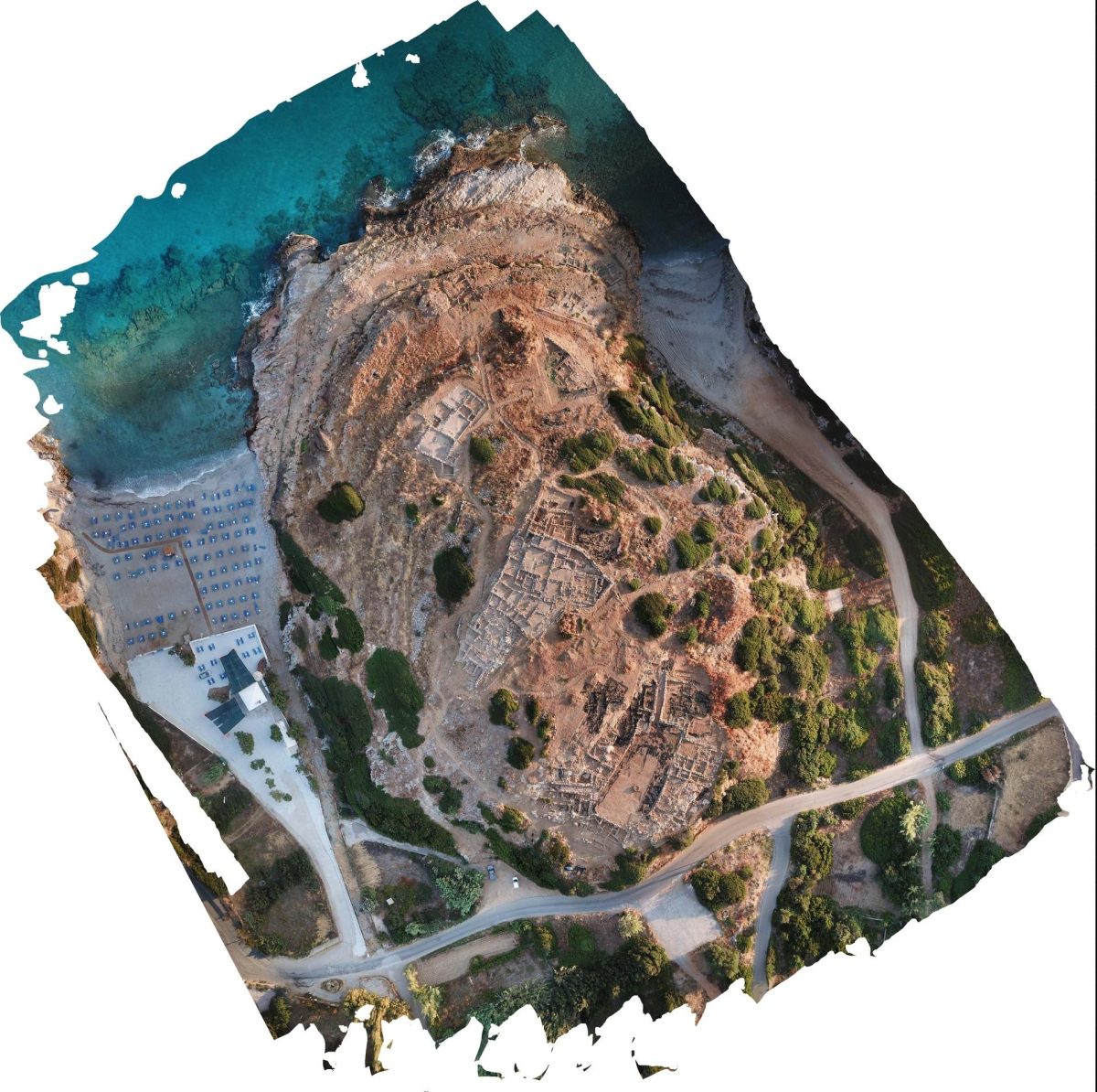
Visitors to Sissi, Crete, usually discover a peaceful seaside village, a picturesque little harbour and the beautiful coastline of northern Lasithi. Yet just a short distance away, on Boufos Hill, lies evidence of a history stretching back thousands of years.
In August 2026, archaeologists began the 15th and final excavation season at the archaeological site of Sissi, bringing an important chapter of archaeological research in eastern Crete towards its conclusion.
Over the years, the Sissi excavations have transformed our understanding of ancient Sissi and its place within the wider Minoan civilisation of Crete.
Almost 1,000 People Involved in the Sissi Excavations
According to archaeologist Jan Driessen, director of the Sissi Excavations, almost 1,000 students, specialists and workers have participated in the archaeological project over the years.
The archaeological importance of Boufos Hill had already been recognised, largely thanks to the intervention of the late Greek archaeologist Kostis Davaras. However, few could have predicted just how much the excavations at Sissi would eventually contribute to our knowledge of Minoan Crete.
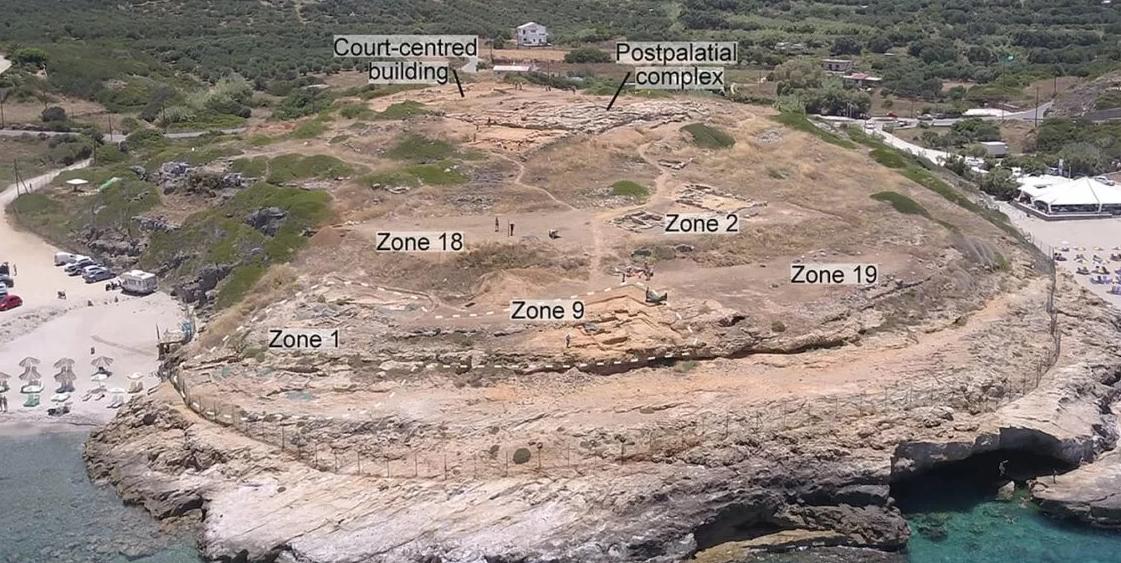
During the final 2026 season, archaeological work includes trial trenches in the impressive Central Court Building, as well as investigations in Zones 8, 10 and 18.
What Have Archaeologists Discovered at Sissi?
The discoveries made at Boufos Hill reveal that this was not simply a small or short-lived ancient settlement. The site preserves evidence of human activity extending across many centuries.
Among the most important discoveries is a Prepalatial settlement dating to the middle of the 3rd millennium BC.
Archaeologists have also uncovered a large complex dating to the Late Bronze Age, approximately the 14th–13th centuries BC.
Another remarkable discovery is the extensive cemetery, which appears to have been in use from around 2500 BC until the 14th century BC.
It was here that archaeologists discovered one of the site’s most fascinating burials: the woman who became known as the “Lady of Sissi.”
A Minoan Palace at Sissi?
Perhaps the most intriguing discovery is the monumental Central Court Building, dating approximately to 1700–1530 BC, during the Neopalatial period of Minoan civilisation.
Some archaeologists might describe the structure as a small Minoan palace.
The building contains considerable evidence suggesting that it was used for ritual or ceremonial activities, adding another fascinating dimension to the history of ancient Sissi.
Its story becomes even more interesting because the building appears to have been abandoned around the period of the enormous volcanic eruption of Thera – modern-day Santorini.
The eruption of Thera was one of the most dramatic natural events of the Bronze Age Mediterranean and had profound consequences across the Aegean world.
Sissi Was Much More Than a Fishing Village
For today’s visitor, these discoveries offer a completely different perspective on Sissi.
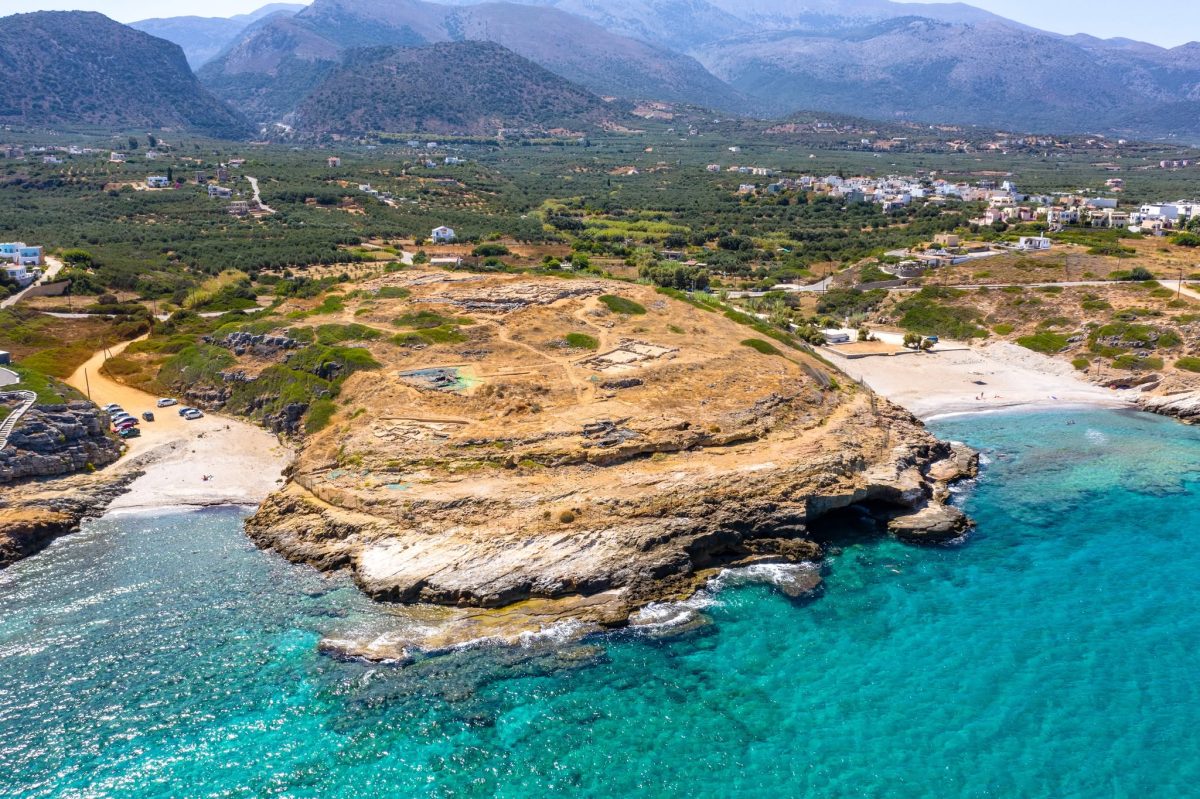
Modern Sissi developed around its small natural harbour and became known as a traditional fishing village before tourism gradually transformed the area. But the excavations at Boufos demonstrate that people recognised the strategic importance of this coastline thousands of years before the modern village existed.
Its position on the north coast of Crete, close to important maritime routes and only a relatively short distance from the great Minoan centre of Malia, made the area particularly significant.
The archaeological evidence now allows us to see Sissi not simply as a modern Cretan resort, but as part of a landscape with a remarkably deep human history.
The End of an Extraordinary Archaeological Chapter
The 2026 excavation season represents the 15th and final season of excavation at Boufos Hill.
The excavation team has expressed its gratitude to the Greek Ministry of Culture, the Ephorate of Antiquities of Lasithi (EFALAS), the local communities of Sissi and Vrachasi, funding organisations and the many private sponsors who have supported the project.
After years of archaeological work and the involvement of almost 1,000 people, the Sissi Excavations have revealed a remarkable story spanning thousands of years.
And although the excavations themselves may be reaching their final season, the scientific study of everything discovered at Boufos will continue to deepen our understanding of the site and of Minoan Crete.
Discover the Other Side of Sissi
Sissi is often promoted for its harbour, beaches, hotels and relaxed atmosphere.
But there is another Sissi beneath the surface.
It is a place connected with Bronze Age settlements, ancient cemeteries, ritual buildings and the extraordinary civilisation that flourished on Crete more than 3,500 years ago.
For travellers interested in archaeology, history and the authentic character of Crete, this is an important part of Sissi’s identity — and one that deserves to become much better known.
Stefanos Tours – Sissi, Crete
Discover Crete beyond the beaches.