
Sissi, Crete Travel Tips: Beach Etiquette Every Visitor Should Know
27/07/2026
Wine Tasting at Diamantakis Winery: An Authentic Journey into the Heart of Cretan Wine
30/07/2026Every summer, the same headlines begin circulating around the world.
“Giant toxic pufferfish caught in Crete!”
“Killer fish invades Greek beaches!”
“Tourists warned about deadly fish!”
Within hours, these stories are copied by countless websites, shared across social media and viewed by millions of people.
The result is predictable.
Families planning their holidays begin asking:
“Is it still safe to swim in Crete?”
The answer is simple.
Yes.
But the full story is far more nuanced than many headlines suggest.
Let’s Start With the Facts
The silver-cheeked pufferfish (Lagocephalus sceleratus) is a real and well-documented invasive species.
Marine scientists have been studying it for years.
It entered the Mediterranean through the Suez Canal and has spread across much of the Eastern Mediterranean as sea temperatures have increased. (euronews)
The species presents genuine challenges.
It is:
- highly toxic if consumed,
- capable of causing serious injuries with its powerful beak-like jaws,
- destructive to fishing nets and fishing gear,
- harmful to marine biodiversity,
- and a significant economic problem for coastal fisheries. (euronews)
None of these facts should ever be ignored.
The Biggest Victims Are Fishermen
Ironically, the people suffering the greatest consequences are not tourists.
They are professional fishermen.
According to the Hellenic Centre for Marine Research (HCMR), the species causes measurable economic losses to coastal fisheries. Marine biologists estimate that the average annual loss can reach approximately €8,500 per fishing vessel, mainly because the fish destroys nets, lines and catches. (euronews)
This is why the Greek Government introduced financial incentives for fishermen to remove pufferfish from Greek waters, while also supporting the sector through targeted subsidy measures. (tovima.com)
This is the real environmental and economic story.
Where Headlines Often Go Too Far
Unfortunately, many articles stop there.
Instead of explaining the issue in context, they move straight to dramatic language.
“Killer fish.”
“Deadly beaches.”
“Toxic invasion.”
These headlines certainly attract attention.
But do they help readers understand the actual level of risk?
Not always.
What Is Missing From Most Articles?
If journalism aims to inform rather than simply attract attention, then readers deserve more than dramatic headlines.
They deserve context.
Whenever an article suggests that the lagokefalos poses a danger to swimmers, a few simple questions should also be answered.
- How many confirmed cases of swimmers in Crete being bitten by a Lagocephalus sceleratus have actually been recorded?
- When did these incidents occur?
- Under what exact circumstances?
- Were people simply swimming?
- Or were they attempting to catch, touch or handle the fish?
If there are confirmed cases, present the evidence. If there are none for the specific claim being made, say so.
Without this context, many international readers are left with one simple conclusion:
“Swimming in Crete sounds dangerous.”
That is not balanced communication.
Even Experts Urge Calm
Interestingly, marine scientists themselves encourage proportion rather than panic.
Experts have repeatedly stressed that the lagokefalos is primarily an environmental and fisheries issue.
Travel publications summarising expert guidance have likewise emphasised that there is no reason for panic, while advising swimmers not to touch unfamiliar marine animals and never to consume this species. (Falstaff)
Being informed is important.
Being frightened unnecessarily is not.
Wild Fish Do Not Hunt Swimmers
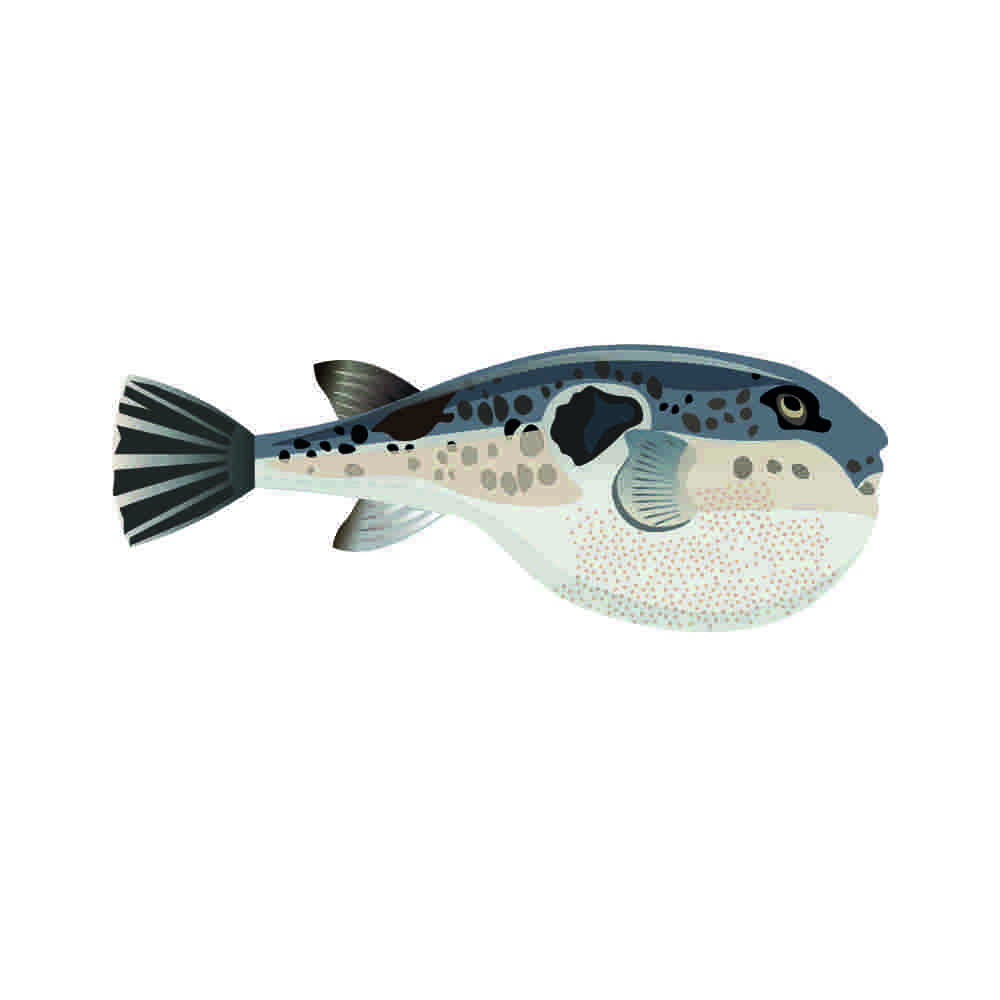
Like almost every wild marine species, the lagokefalos is not actively searching for humans.
This does not mean people should become careless.
Visitors should never attempt to catch it.
They should never touch it.
They should certainly never eat it.
But there is an important distinction between a species that can cause injury under certain circumstances and the impression that anyone entering the sea is at immediate risk.
Those are two very different messages.
Millions Continue to Enjoy Crete Every Year
Crete remains one of Europe’s most popular seaside destinations.
Every year, millions of visitors enjoy its beaches, swim in its waters, dive, snorkel and sail around the island.
Life continues normally.
The presence of an invasive species does not automatically transform hundreds of kilometres of coastline into dangerous beaches.
Context matters.
Perspective matters.
Facts matter.
Responsible Journalism Protects Everyone
Journalists play a vital role in informing the public.
No one is asking them to ignore environmental problems.
On the contrary.
People should know that:
- the lagokefalos is poisonous if consumed,
- it should never be handled,
- it is causing serious ecological and economic damage,
- and fishermen deserve support in dealing with its spread.
But responsible journalism also has another duty.
To distinguish between hazard and actual risk.
To explain rather than simply alarm.
Because once a frightening headline is published, it spreads globally within hours.
For many readers abroad, that headline becomes their only impression of Crete.
Enjoy Crete With Confidence
If you are planning a holiday in Crete, there is no reason to let sensational headlines overshadow reality.
Respect the sea.
Respect wildlife.
Do not touch unfamiliar marine animals.
Follow local advice, just as you would anywhere else in the world.
And enjoy one of the most beautiful coastlines in Europe.
Final Thoughts
The lagokefalos is a genuine environmental challenge.
It deserves scientific research, effective fisheries management and public awareness.
What it does not deserve is to become a symbol of fear through sensational reporting that lacks context.
Good journalism informs.
Excellent journalism informs and provides perspective.
Because in the end, fear may generate clicks—but facts build trust. (euronews)